Healthcare Software · Researched comparison

Comparing 6 Medical Records Software Options in 2026

TaskReports may earn a fee from some links on this page, and some placements are paid and labelled. Neither one decides the order. See our disclosure.

The short answer

Start with Oracle Health if you need large hospitals and systems. SimplePractice fits mental health and wellness practices; Practice Fusion fits small practices, low cost. All 6 tools are compared below on price, free plan and limits.

On this page

Key takeaways

  • This list starts with Oracle Health, which is built for large hospitals and systems.
  • For large hospitals and systems, Epic is worth a look.
  • Check the limits for SimplePractice before you commit: not a hospital EHR.
  • A permanent free plan is missing from all 6 tools, Oracle Health and Epic included; plan for a trial or a premium start.
  • Every tool from Oracle Health to Epic works by quote, with no list price shown.

Quick comparison

ToolIdeal forBiggest drawbackStarting priceFree access
---------------
Oracle HealthLarge hospitals and systemsComplex implementationSee websiteNo
SimplePracticeMental health and wellness practicesLimited for medical specialtiesSee websiteNo
Practice FusionSmall practices, low costSmaller scaleSee websiteNo
NextGen HealthcareSpecialty practicesImplementation takes timeSee websiteNo
athenahealthSmall and mid-sized practicesCustomization limitsSee websiteNo
EpicLarge hospitals and systemsLong implementationSee websiteNo

How we chose

TaskReports used vendor pricing pages and product documentation as the base, then compared plans, free access and documented limits for 6 tools. Prices and plan limits come from vendor pages and can change, so confirm them on the vendor site before you buy. The sequence is a judgement call: typical use case first, then pricing transparency, then free access. Use the profiles to check fit.

★ Best overall

Oracle Health

Large hospitals and systems

  • Large install base
  • Oracle cloud and analytics
PriceSee website
See Oracle Health pricing

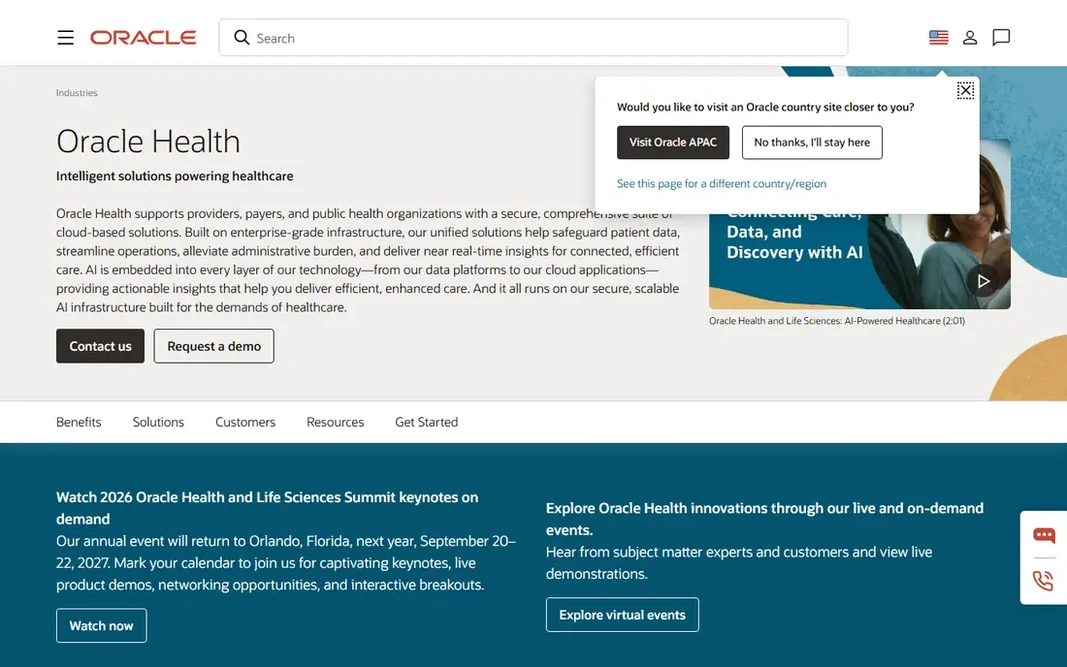
Oracle Health is built with large hospitals and systems in mind. Oracle Health, formerly Cerner, is a major EHR for hospitals and health systems, including clinical, revenue, and population health workflows with Oracle cloud and analytics tools. Its large install base comes with plenty of hospitals, and its tools support inpatient, ambulatory, and specialty care. Trade-offs to know: Migration from Cerner history needs care. On top of that, Oracle Health is costly, implementation is complicated, and practices migrating from older Cerner versions need careful planning. Even so, Oracle Health fits large hospitals and systems that want a wide, analytics-rich EHR. This comparison lists no price for Oracle Health; ask the vendor. Oracle Health has no free tier.

Price: See website

Free plan: No

Website: oracle.com/health

Watch out for

  • High cost
2

SimplePractice

Mental health and wellness practices
See website

SimplePractice is a good fit for mental health and wellness practices. Its templates and workflows fit therapy notes and session billing. More specifically, SimplePractice is not a hospital EHR and has restricted support for medical specialties, imaging, or inpatient care, and pricing grows with added features. Limits to weigh: Restricted for medical specialties. Even so, SimplePractice fits mental health and wellness practices that want an all-in-one, focused product. The limits are medical scope. Pricing for SimplePractice is not stated here, so ask the vendor for current figures. No free plan comes with SimplePractice.

Free plan: No

Website: simplepractice.com

Strengths

  • Billing in one
  • Scheduling, notes

Watch out for

  • Not a hospital EHR
3

Practice Fusion

Small practices, low cost
See website

For small practices, low cost, Practice Fusion is a natural candidate. Advanced features trail Epic and athenahealth, the system fits smaller practices better than large groups. Trade-offs to know: Fewer advanced features. Support and update history need review before committing. As for the details, the trade-offs are depth and scale. Practice Fusion does not show a starting price in this comparison, so check the vendor site for current pricing. No free plan comes with Practice Fusion.

Free plan: No

Website: practicefusion.com

Strengths

  • Low cost for small practices
  • Cloud-based

Watch out for

  • Smaller scale
4

NextGen Healthcare

Specialty practices
See website

In short, NextGen Healthcare is for specialty practices. NextGen Healthcare is an EHR and practice management product for ambulatory and specialty practices, with specialty templates, integrated scheduling, billing, and patient engagement. Watch-outs: Implementation takes time. Even so, NextGen fits specialty practices that want tailored templates with integrated practice management. NextGen Healthcare does not show a starting price in this comparison, so check the vendor site for current pricing. NextGen Healthcare has no permanent free option.

Free plan: No

Website: nextgen.com

Strengths

  • Integrated practice management
  • Solid specialty templates

Watch out for

  • Pricing is quote-based
5

athenahealth

Small and mid-sized practices
See website

athenahealth was built for small and mid-sized practices. The trade-offs are pricing model and customization. Its revenue cycle tools are a strength, helping practices cut denials and speed payments, and its cloud model avoids server management. Where it is weaker: Data migration takes care. Worth adding: some plans charge a percentage of collections, which grows with revenue, customization has limits compared with Epic, and data migration needs care. Worth adding: the system fits practices that want an integrated EHR plus billing service. Check the vendor site for athenahealth pricing; none is listed in this comparison. No free plan comes with athenahealth.

Free plan: No

Website: athenahealth.com

Strengths

  • Cloud-based and simple to start
  • Solid billing and revenue tools

Watch out for

  • Pricing is percentage-based in some plans
6

Epic

Large hospitals and systems
See website

Epic is built with large hospitals and systems in mind. Its MyChart patient portal is widely used, and its interoperability tools link with other systems through standards for example FHIR. Worth adding: Epic is very costly, implementation takes months to years, and it is far too heavy for small practices. Even so, Epic fits large hospitals and health systems that need the deepest, most integrated EHR available. Epic shows no starting price here, so confirm the cost on the vendor site. Epic does not include a free plan. Downsides: Heavy for small practices.

Free plan: No

Website: epic.com

Strengths

  • Deepest hospital feature set
  • Solid interoperability

Watch out for

  • Long implementation

FAQ

Is Oracle Health the right pick for everyone comparing medical records software?

No single tool suits every team. Oracle Health comes first because it fits large hospitals and systems, while SimplePractice suits mental health and wellness practices and Practice Fusion suits small practices, low cost. Match the tool to your own size, budget and workflow before deciding.

How are the tools for medical records software ordered?

The order follows typical fit for medical records software, with Oracle Health first and Epic last, then price clarity and free access. It is editorial judgement, not a score, so another team could rank the tools differently.

Do these tools publish their prices?

No. None of the tools, from Oracle Health to Epic, shows a fixed starting price here, so budget time for quotes.

Does any tool for medical records software here have a free plan?

A permanent free plan is not offered by Oracle Health, Epic or the other tools here. Plan a short evaluation period instead.