Sales and CRM · Researched comparison

Sales Intelligence Platforms Buyer's Guide: 7 Tools for 2026

TaskReports may earn a fee from some links on this page, and some placements are paid and labelled. Neither one decides the order. See our disclosure.

The short answer

Lusha is the first pick on this list for individual sellers and SMB teams needing quick enrichment. For a different need, Apollo.io covers startups and SMB sales teams and ZoomInfo covers mid-market to enterprise revenue teams. All 7 tools are compared below on price, free plan and limits.

On this page

Key takeaways

  • Number one here is Lusha, a fit for individual sellers and SMB teams needing quick enrichment.
  • Apollo.io comes with a trade-off: credit-based rationing caps enrichment volume on every plan.
  • 7 of the 7 tools have a free plan, including Lusha, Apollo.io, ZoomInfo and 6sense.
  • LeadIQ fits SDR and BDR teams doing high-volume LinkedIn prospecting.
  • Apollo.io has the lowest monthly starting price in this list: $49/user/month.

Quick comparison

ToolPrice fromFree optionWatch out forBest for
---------------
LushaFreeYesLess account-level intelligence than ZoomInfo or 6senseIndividual sellers and SMB teams needing quick enrichment
Apollo.io$49/user/monthYesCredit-based rationing caps enrichment volume on every planStartups and SMB sales teams
ZoomInfoSee websiteYesEspecially on phone dataMid-market to enterprise revenue teams
6senseSee websiteYesEnterprise pricing and implementationEnterprise B2B teams running account-based motions
RocketReachFreeYesIntent data and Autopilot sequences are Ultimate-onlyIndividual researchers and small teams wanting self-serve pricing
ClayFreeYesBills can surprise beginnersGrowth-stage GTM teams with RevOps support
LeadIQSee websiteYesPublished pricing details are hard to pin down, estimates conflictSDR and BDR teams doing high-volume LinkedIn prospecting
★ Best overall

Lusha

Individual sellers and SMB teams needing quick enrichment

  • Quick LinkedIn and browser-extension enrichment with an ample free level
  • Reps are productive in minutes
PriceFree (40 credits/month); Starter $49.90/month ($37.45 annual)
See Lusha pricing

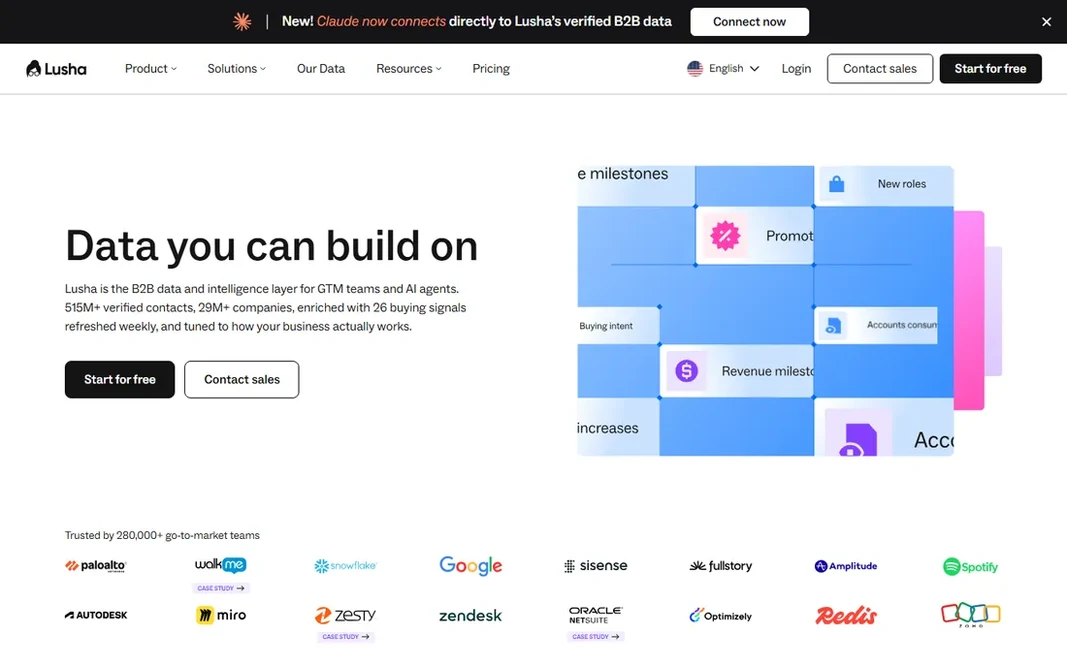
Think of Lusha for individual sellers and SMB teams needing quick enrichment. The browser extension reveals verified emails and phones right on LinkedIn, and reps are productive within minutes of signup. Worth adding: the main limit is the phone math. From a buyer's view, the credit model is simple to forecast: emails cost 1 credit, phones cost 5. Phone-heavy users burn through the shared credit pool quick, so model your actual email-to-phone mix before choosing a level. API access and buying intent need Pro or higher. Lusha cost at the entry level: Free. Lusha offers a free plan. Honest limits: Phone reveals cost 5 credits each, so phone-heavy users burn budgets quick.

Price: Free (40 credits/month); Starter $49.90/month ($37.45 annual)

Free plan: Yes

Website: lusha.com

Watch out for

  • Less account-level intelligence than ZoomInfo or 6sense
2

Apollo.io

Startups and SMB sales teams
$49/user/month (Basic, billed annually; $65 per month)
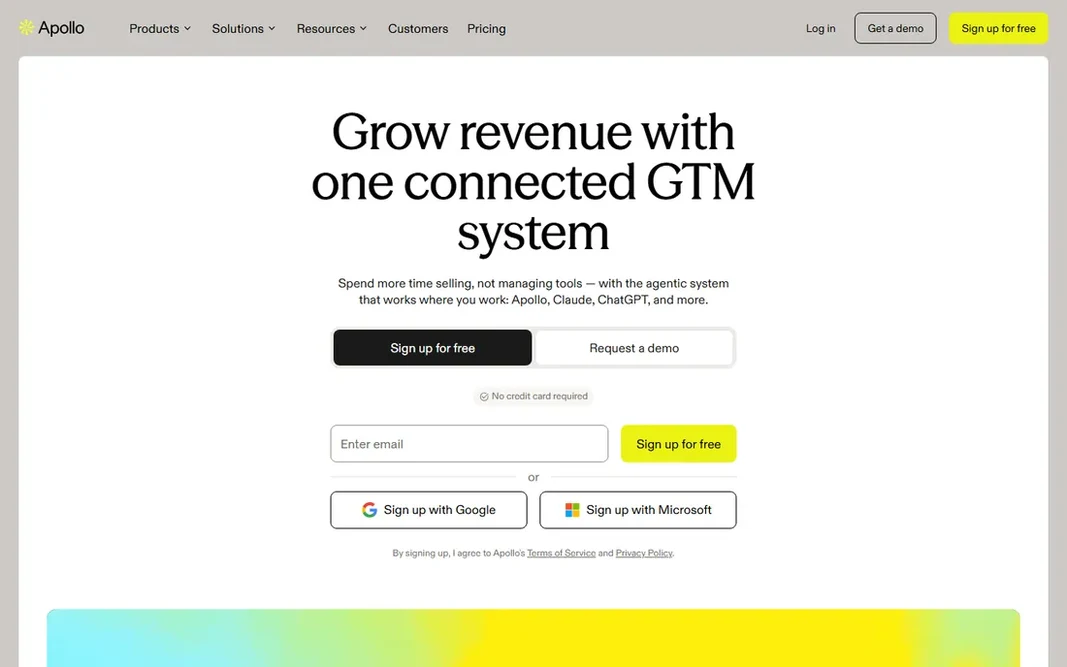
Apollo.io was built for startups and SMB sales teams. The value consolidation is the pitch: database, enrichment, sequences and dialer from $49 per seat, with a free plan for testing. What to check first: Weaker job-title and phone coverage outside North America. the main limit is the credit meter, same as on the engagement side. Heavy enrichment burns through monthly credits, overages add up, and credits do not roll over. Entry price for Apollo.io: $49/user/month. You can start on Apollo.io without paying.

Free plan: Yes

Website: apollo.io

Strengths

  • Contact data plus enrichment plus sequencing in one low-cost seat
  • Published pricing with a usable free level

Watch out for

  • Credit-based rationing caps enrichment volume on every plan
3

ZoomInfo

Mid-market to enterprise revenue teams
See website (quote-based, consumption-credit model)

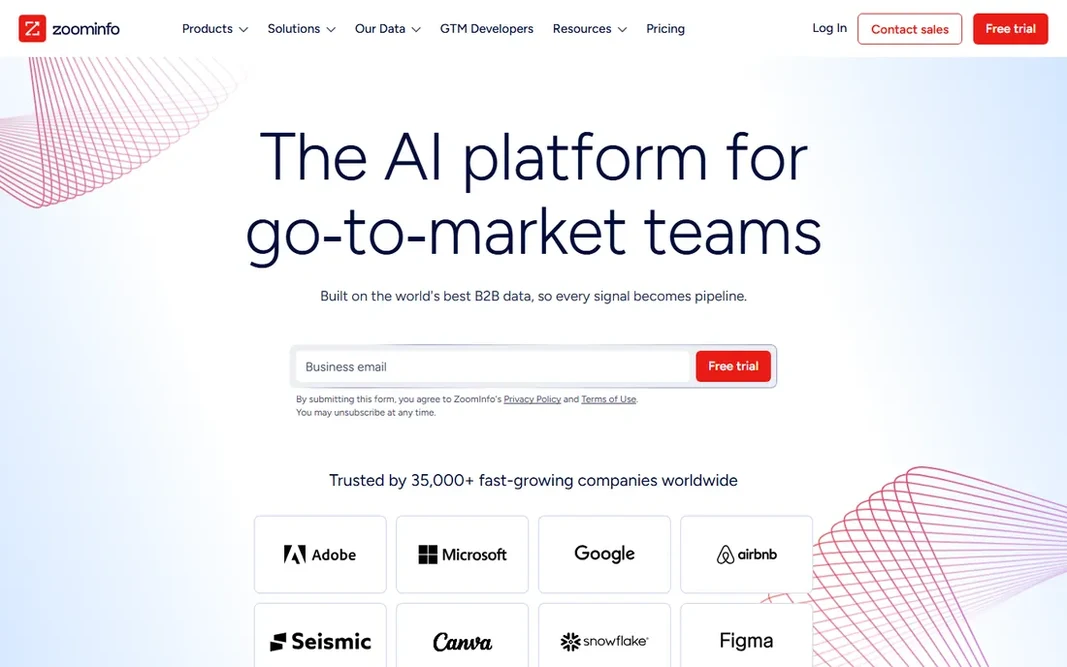
Pick ZoomInfo if this describes you: mid-market to enterprise revenue teams. ZoomInfo is the category's 800-pound gorilla. Small teams should start with less expensive tools and graduate to ZoomInfo when the data volume justifies it. In practice, premium plans run on consumption credits, which brings a second meter to watch. From a buyer's view, breadth is the argument: contacts, intent signals, website visitor insights, technographics and workflow automation in one contract, with integrations across Salesforce, HubSpot, Marketo, Outreach and Salesloft. Pricing for ZoomInfo is not stated here, so ask the vendor for current figures. ZoomInfo includes a free tier. Reasons to shortlist it: Buyer intent. Honest limits: Quote-only pricing with annual contracts; particularly on phone data.

Free plan: Yes

Website: zoominfo.com

Strengths

  • Largest verified B2B database with deep company and contact coverage
  • Wide integration ecosystem across CRM

Watch out for

  • Often five figures and up
4

6sense

Enterprise B2B teams running account-based motions
See website (quote-based)

Pick 6sense if this describes you: enterprise B2B teams running account-based motions. The honest catch is total investment. Where it is weaker: overkill for straightforward list building; not a SMB tool. For everyday use, if you need contact lists, buy Apollo. Pricing for 6sense is not stated here, so ask the vendor for current figures. 6sense offers a free plan.

Free plan: Yes

Website: 6sense.com

Strengths

  • AI copilot surfaces next-best actions for accounts
  • Solid ABM orchestration across ads

Watch out for

  • Enterprise pricing and implementation
5

RocketReach

Individual researchers and small teams wanting self-serve pricing
Free (5 lookups); Essentials $49/month or $329/year (email only)

RocketReach targets individual researchers and small teams wanting self-serve pricing. RocketReach is the self-serve answer. As for the details, essentials is email-only; phone data needs Pro. Price to start with RocketReach: Free. You can start on RocketReach without paying. What to check first: Intent data and Autopilot sequences are Ultimate-only. Where RocketReach stands out: Graded emails and phones with confidence scores.

Free plan: Yes

Website: rocketreach.co

Strengths

  • No sales call needed
  • Published per-seat pricing with card checkout

Watch out for

  • Export caps on annual plans can bottleneck heavy users
6

Clay

Growth-stage GTM teams with RevOps support
Free ($0); Launch from $185/month ($167 annual)

Clay is a good fit for growth-stage GTM teams with RevOps support. The waterfall tries the cheapest data provider first and escalates only on misses, lifting match rates beyond what any single database provides. Unlimited seats mean the entire GTM team can use it, and pricing scales on usage instead of headcount. Where it is weaker: bills can surprise beginners; Credit and action model has a ramp-up time. In practice, someone must build and maintain the tables, the credit math takes a cycle to learn, and bills can surprise beginners. The free plan excludes phone enrichment. This is a tool for teams with RevOps support that want best-of-breed enrichment. In daily use, the main limit is operational overhead. Entry price for Clay: Free. Free access exists with Clay. Main advantages: Bring-your-own API keys to cut data costs further; Unlimited seats on every plan.

Free plan: Yes

Website: clay.com

Strengths

  • Waterfall enrichment across 100+ data providers finds data single-source tools miss
  • Pricing is usage-based not per head

Watch out for

  • Building effective tables takes real RevOps skill, not plug-and-play
7

LeadIQ

SDR and BDR teams doing high-volume LinkedIn prospecting
See website

LeadIQ targets SDR and BDR teams doing high-volume LinkedIn prospecting. Setup takes minutes via Chrome extension. On top of that, LeadIQ is made for the LinkedIn-to-CRM motion. Phone numbers cost 10 credits against 1 for an email, so phone-heavy teams should model carefully. From a buyer's view, the main limit is credit economics. This comparison lists no price for LeadIQ; ask the vendor. LeadIQ includes a free tier. Where it is weaker: Published pricing details are hard to pin down, estimates conflict.

Free plan: Yes

Website: leadiq.com

Strengths

  • Job-change tracking and buying signals on higher levels
  • Scribe AI drafts personalized outreach messages

Watch out for

  • Universal credit system punishes phone-heavy workflows (10 credits per phone number)

FAQ

What is the cheapest option for sales intelligence platforms in this list?

On published monthly entry prices, Apollo.io is the lowest here at $49/user/month. Entry price is only part of the cost, because seats, add-ons and billing terms can change the total.

Which options for sales intelligence platforms have a free plan?

On this list, 7 of 7 tools include a free plan, among them Lusha, Apollo.io, ZoomInfo and 6sense. Caps on seats, usage or features are common, so test the free plan against your real workload.

Is Lusha the right pick for everyone comparing sales intelligence platforms?

No single tool suits every team. Lusha comes first because it fits individual sellers and SMB teams needing fast enrichment, while Apollo.io suits startups and SMB sales teams and ZoomInfo suits mid-market to enterprise revenue teams. Match the tool to your own size, budget and workflow before deciding.

What does "waterfall enrichment" mean?

Rather than checking one database, the tool tries providers in order of cost, escalating only when a provider misses. Clay popularized the approach across 100+ providers, and Apollo does a lighter version.

How are the tools for sales intelligence platforms ordered?

Lusha sits first and LeadIQ last because the order follows typical fit for sales intelligence platforms, then price clarity and free access. It is a judgement call, so read each profile for fit and limits.