HR and Workforce · Researched comparison

How to Pick AI HR Software: 6 Tools Compared

TaskReports may earn a fee from some links on this page, and some placements are paid and labelled. Neither one decides the order. See our disclosure.

The short answer

Start with Lattice if you need performance management, engagement and growth. Phenom is the stronger choice for AI across the full talent lifecycle, while Gusto suits small companies wanting straightforward, assisted HR. The full list of 6 tools follows, with prices and free plan facts.

On this page

Key takeaways

  • This list starts with Lattice, which is built for performance management, engagement and growth.
  • Before buying Lattice, weigh this: HRIS depth less than full suites.
  • None of the 6 tools, from Lattice to Workday, has a free plan, so budget for a subscription or use a trial.
  • Every tool from Lattice to Workday works by quote, with no list price shown.
  • Workday suits enterprises wanting AI inside their HCM system of record.

Quick comparison

ToolSuited toPrice fromFree option
------------
LatticePerformance management, engagement and growthSee websiteFree trial
PhenomAI across the full talent lifecycleSee websiteNo
GustoSmall firms wanting straightforward, assisted HRSee websiteFree trial
BambooHRSMBs wanting people intelligence without enterprise complexitySee websiteFree trial
EightfoldEnterprises building skills-based talent strategiesSee websiteNo
WorkdayEnterprises wanting AI inside their HCM system of recordSee websiteNo
★ Best overall

Lattice

Performance management, engagement and growth

  • Capable analytics for HR leaders
  • Compensation and HRIS
PriceSee website
See Lattice pricing

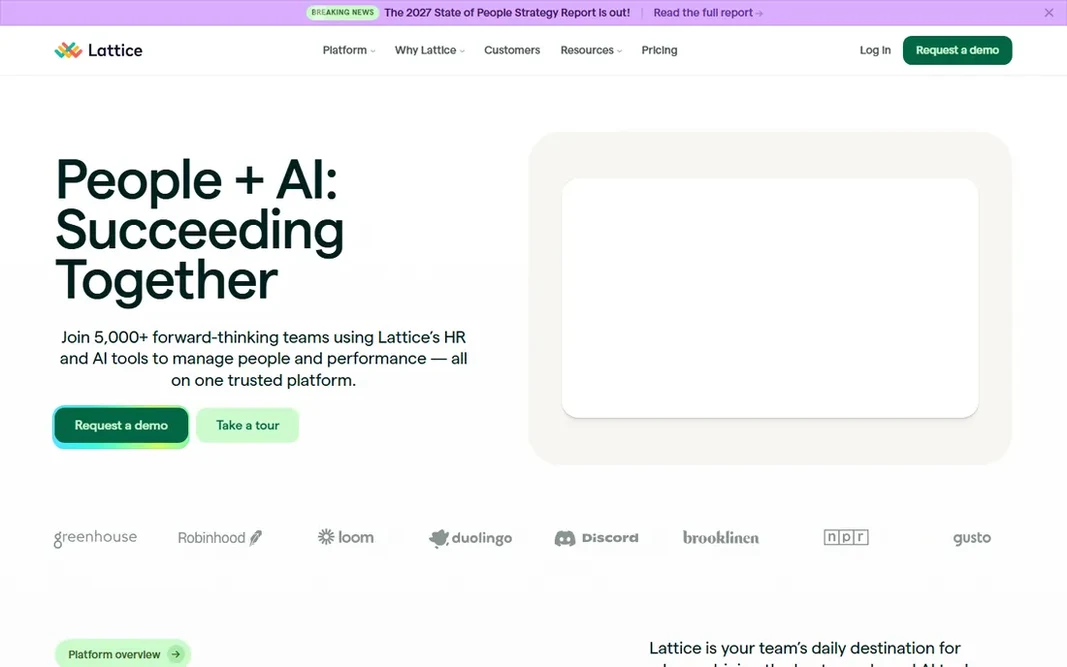
Lattice makes the most sense for performance management, engagement and growth. Firms needing deep core-HR administration pair Lattice with (or choose) fuller suites. Where it shines: Manager-friendly. From a buyer's view, the honest positioning is emphasis. Lattice focuses AI on the human side: performance reviews, engagement surveys, growth plans, compensation and 1:1s, now with HRIS and analytics completing the picture. Lattice does not show a starting price in this comparison, so check the vendor site for current pricing. On free options: Free trial. The main drawbacks: Best as performance layer plus core HR.

Price: See website

Free plan: Free trial

Website: lattice.com

Watch out for

  • HRIS depth less than full suites
2

Phenom

AI across the full talent lifecycle
See website

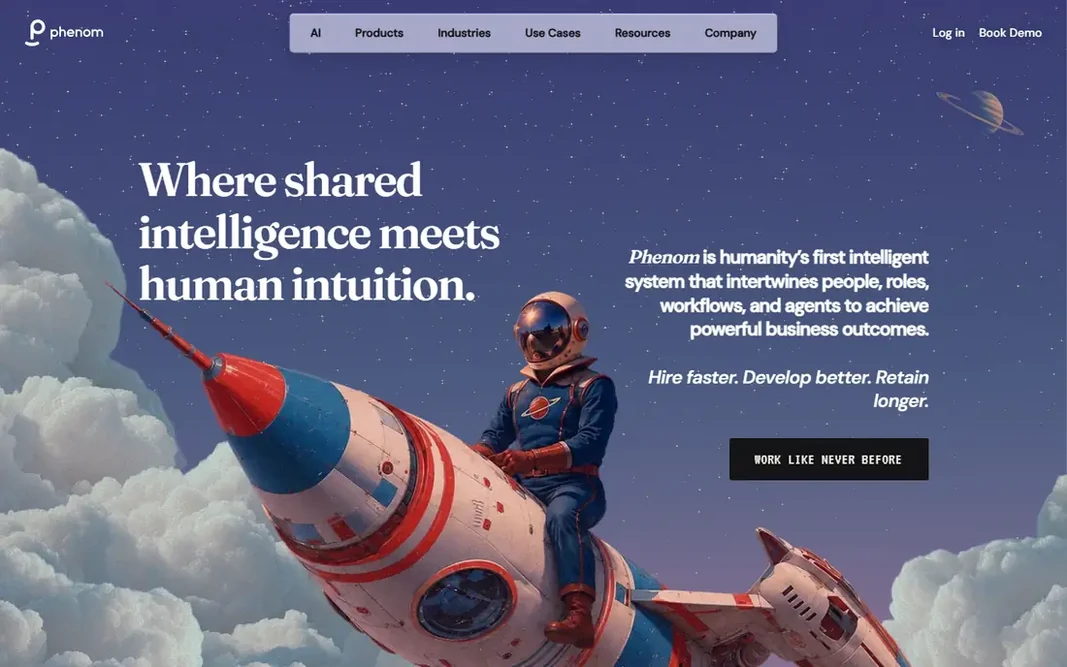
Phenom is designed for AI across the full talent lifecycle. The honest consideration is scope. On top of that, the product story is broad; buyers should verify each module against their priorities instead of buying the vision. Phenom shows no starting price here, so confirm the cost on the vendor site. Phenom has no free plan. Downsides: Platform breadth needs evaluation against point needs.

Free plan: No

Website: phenom.com

Strengths

  • Development and retention in one system
  • Acquisitive product expansion

Watch out for

  • Enterprise focus
3

Gusto

Small firms wanting straightforward, assisted HR
See website

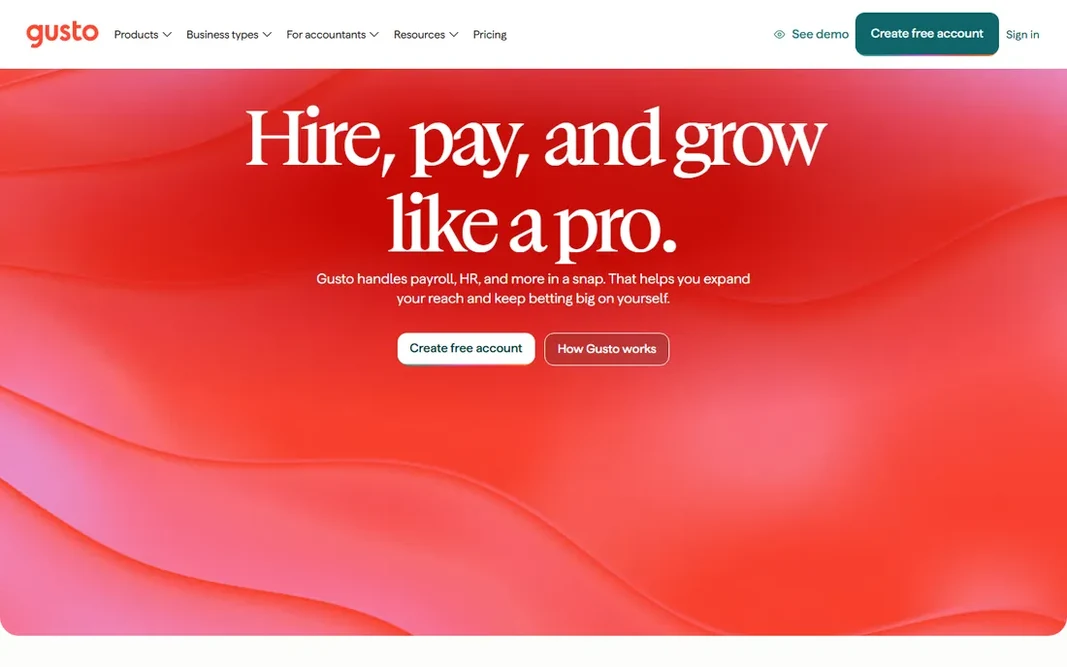
Think of Gusto for small companies wanting straightforward, assisted HR. The AI story is assistive instead of transformative, which fits its audience. Drawbacks to consider: AI and analytics depth less than dedicated systems. Check the vendor site for Gusto pricing; none is listed in this comparison. As for free access: Free trial.

Free plan: Free trial

Website: gusto.com

Strengths

  • Very good for US small companies
  • Approachable automation

Watch out for

  • US-focused
4

BambooHR

SMBs wanting people intelligence without enterprise complexity
See website

BambooHR targets SMBs wanting people intelligence without enterprise complexity. The honest boundary is scale. Watch-outs: Advanced analytics less deep than ChartHop. The system makes people data actionable without a people-analytics team. Pricing for BambooHR is not stated here, so ask the vendor for current figures. Free plan details: Free trial. Reasons to shortlist it: Embedded AI insights; 30,000-plus customers.

Free plan: Free trial

Website: bamboohr.com

Strengths

  • Payroll and benefits
  • Approachable pricing

Watch out for

  • Enterprise features thinner than Workday
5

Eightfold

Enterprises building skills-based talent strategies
See website

Eightfold is aimed squarely at enterprises building skills-based talent strategies. The honest fit is enterprise. But for enterprises serious about skills-based talent strategy, Eightfold's depth is the category reference. Strengths: mobility and planning. Points against: Overkill for small organizations. Eightfold is the talent-intelligence pioneer: AI that infers skills from profiles, matches people to roles and gigs, predicts workforce needs and powers internal mobility. Its agentic system (TalentForge and related products) pushes toward AI-assisted workforce orchestration. Eightfold does not show a starting price in this comparison, so check the vendor site for current pricing. Eightfold has no permanent free option.

Free plan: No

Website: eightfold.ai

Strengths

  • Enterprise-proven at scale
  • Agentic talent intelligence across hiring

Watch out for

  • Enterprise pricing and implementation
6

Workday

Enterprises wanting AI inside their HCM system of record
See website

Think of Workday for enterprises wanting AI inside their HCM system of record. Workday bakes AI into the enterprise HCM: recruiting assistance, workforce planning, skills analysis and conversational experiences inside the system global enterprises already run. On top of that, for Workday customers, AI arrives as product evolution instead of new-vendor risk. The honest reality is enterprise software economics: long implementations, significant cost, and AI that performs to the quality of your data. But for large organizations standardizing on Workday, the embedded AI story beats bolting on point tools. Check the vendor site for Workday pricing; none is listed in this comparison. There is no free plan with Workday. Trade-offs to know: Costly, lengthy implementations.

Free plan: No

Website: workday.com

Strengths

  • AI embedded across HCM, recruiting
  • Planning and analytics

Watch out for

  • AI value relies on data quality and adoption

Pre-purchase checklist

  • Request quotes from Lattice, Workday and the others; the list shows no fixed prices.
  • Take the trial from Lattice, Gusto and BambooHR and push a live task through it before you pay.
  • Read the limits listed for Lattice first: HRIS depth less than full suites.
  • Ask Eightfold about contract length, onboarding fees and user minimums before you sign.
  • Check the integration list for BambooHR against the tools you run today, and note which ones need a higher plan.

FAQ

Does any tool for AI HR software here have a free plan?

A permanent free plan is not offered by Lattice, Workday or the other tools here. Lattice, Gusto, BambooHR offer a trial. Plan a short evaluation period instead.

Can I try these options before paying?

Often, yes. Lattice, Gusto and BambooHR offer a free trial. Use your own data and a real task during the test, and check what the free tier or trial limits before you rely on it.

Do these tools publish their prices?

No. None of the tools, from Lattice to Workday, shows a fixed starting price here, so budget time for quotes.

Is Lattice the right pick for everyone comparing AI HR software?

No single tool suits every team. Lattice comes first because it fits performance management, engagement and growth, while Phenom suits AI across the full talent lifecycle and Gusto suits small businesses wanting simple, assisted HR. Match the tool to your own size, budget and workflow before deciding.

Will AI replace HR professionals?

No: AI automates screening, matching, analytics and admin, but judgment, empathy, employee relations and strategy remain human. The best tools make HR more strategic, not smaller.