Developer Tools · Researched comparison

Shortlist: 6 Best Apps for Crop Monitoring Tools for 2026

TaskReports may earn a fee from some links on this page, and some placements are paid and labelled. Neither one decides the order. See our disclosure.

The short answer

Climate FieldView is the first pick on this list for connected system. For a different need, Bushel Farm covers field profitability and Taranis covers Leaf-level intelligence. The full list of 6 tools follows, with prices and free plan facts.

On this page

Key takeaways

  • The list opens with Climate FieldView, aimed at connected product.
  • Climate FieldView, CropX and the 4 others all sell by quote; expect sales conversations before you see a price.
  • None of the 6 tools, from Climate FieldView to CropX, has a free plan, so budget for a subscription or use a trial.
  • CropX is the one to check for soil and irrigation.

Quick comparison

ToolIdeal forMain limitPrice fromFree option
---------------
Climate FieldViewConnected productBayer ecosystem focusSee websiteNo
Bushel FarmField profitabilityGrain-focusedSee websiteNo
TaranisLeaf-level intelligenceAdvisor-focused service modelSee websiteNo
OneSoilSatellite monitoringCloud cover can delay imagerySee websiteNo
John Deere Operations CenterDeere equipment dataDeere equipment focusSee websiteNo
CropXSoil and irrigationSetup takes planningSee websiteNo
★ Best overall

Climate FieldView

Connected product

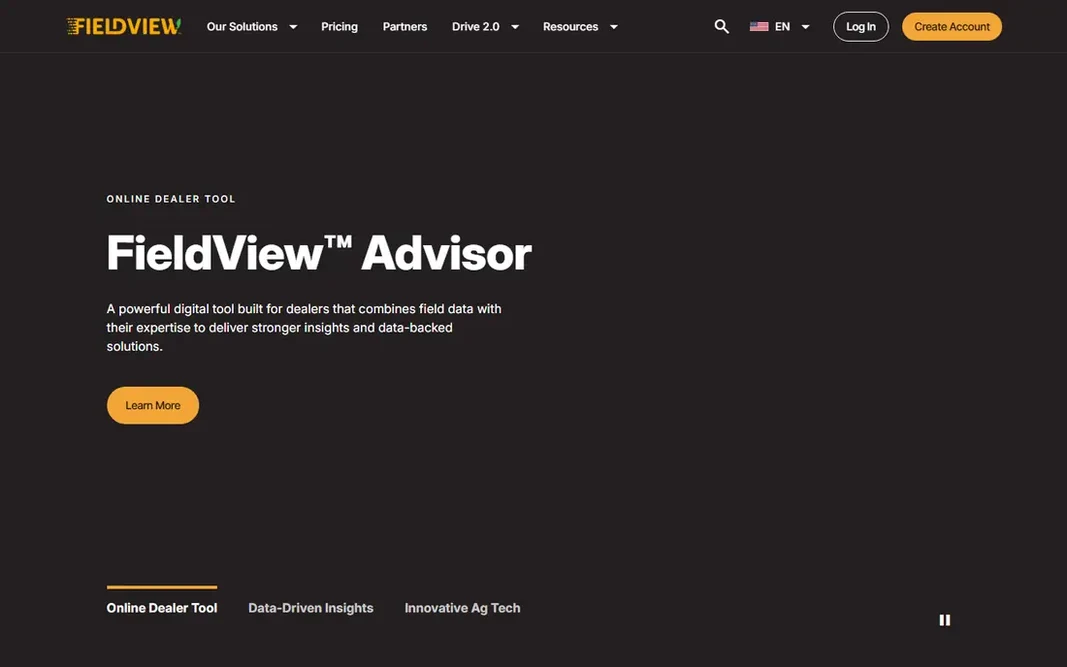
  • FieldView Drive 2.0 with built-in GPS and quicker syncing
  • Compatible with most equipment types

Climate FieldView works best for connected system. Climate FieldView from Bayer is the most connected product in crop monitoring, with more than 60 partners and compatibility with most equipment types. Watch-outs: Pricing varies by acreage and must be checked on the site. What Climate FieldView does well: Bayer system. Climate FieldView does not show a starting price in this comparison, so check the vendor site for current pricing. Climate FieldView has no permanent free option.

Price: See website

Free plan: No

Website: climate.com

Watch out for

  • Hardware needed for machine data
2

Bushel Farm

Field profitability
See website

For field profitability, Bushel Farm is a natural candidate. Bushel Farm, formerly FarmLogs, tracks unsold bushels and grain contracts from more than 3,500 facilities across the Bushel Network, giving field-level profitability without spreadsheets. Bushel Farm shows no starting price here, so confirm the cost on the vendor site. Bushel Farm does not include a free plan. Upsides: Field-level profitability without spreadsheets; Tracks unsold bushels and grain contracts from 3,500+ facilities across the Bushel Network. The main drawbacks: Pricing must be checked on the site; less suited to livestock or specialty crops.

Free plan: No

Website: farmlogs.com

Strengths

  • Formerly FarmLogs
  • Links up with John Deere Operations Center and Climate FieldView

Watch out for

  • No continuing free plan, trial only
3

Taranis

Leaf-level intelligence
See website

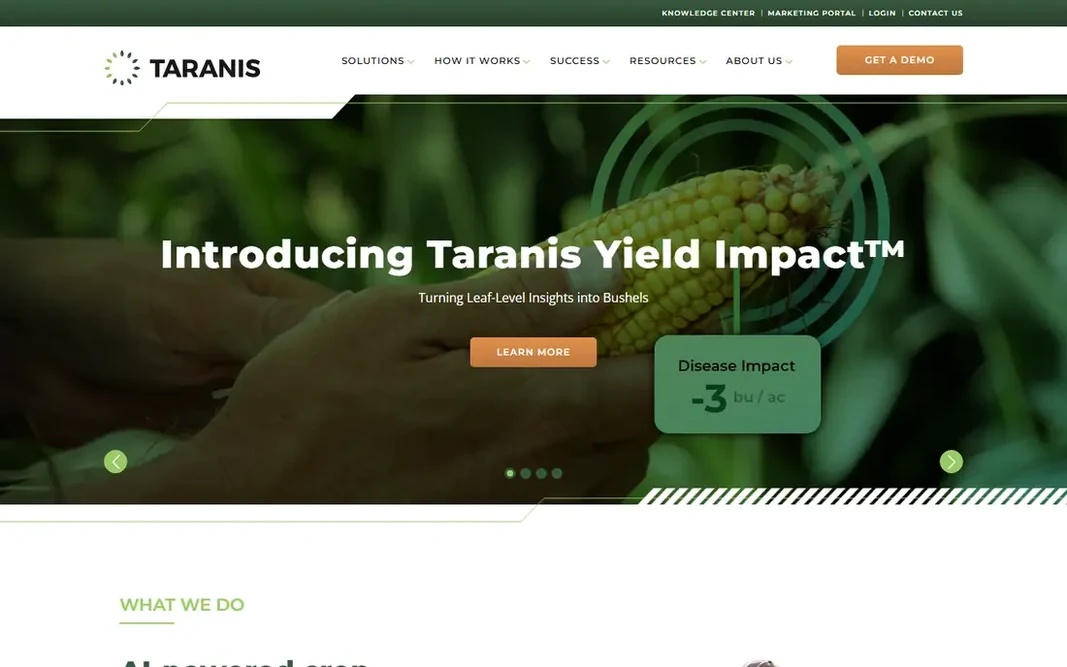
Taranis works best for Leaf-level intelligence. Pricing was not shown, so check the site. The newer Yield Impact model turns each detected threat into a precise estimate of yield loss in bushels per acre, so growers can weigh treatment cost against expected loss. More specifically, a May 2026 partnership with Syngenta extends leaf intelligence to precision agronomy at plant level. Taranis does not show a starting price in this comparison, so check the vendor site for current pricing. Taranis does not include a free plan. Where it is weaker: Drone imagery coverage relies on service area.

Free plan: No

Website: taranis.com

Strengths

  • Yield Impact estimates yield loss in bushels per acre per threat
  • 500M+ data points training the AI

Watch out for

  • Advisor-focused service model
4

OneSoil

Satellite monitoring
See website

Pick OneSoil if this describes you: satellite monitoring. More than 140,000 farmers use it every year across 180 countries. Its AI Agronomist reads every field every day, cross-referencing satellite signals, weather and crop calendar, then provides one ranked list of what needs attention today. Trade-offs to know: Satellite resolution is coarser than drone imagery. Worth adding: pricing was not shown, so check the site. Also, OneSoil turns satellite data and AI into practical daily farming decisions, from field monitoring and variable-rate application maps to crop identification across whole countries. As for the details, partners bundle BASF, Cargill, Bayer and Corteva, with more than 100 global partners in total. OneSoil does not show a starting price in this comparison, so check the vendor site for current pricing. OneSoil has no permanent free option. Reasons to shortlist it: Satellite-powered intelligence for modern agriculture; Partners bundle BASF, Cargill.

Free plan: No

Website: onesoil.ai

Strengths

  • Bayer and Corteva
  • AI Agronomist reads every field every day and ranks what needs attention

Watch out for

  • Pricing must be checked on the site
5

John Deere Operations Center

Deere equipment data
See website

John Deere Operations Center is aimed squarely at Deere equipment data. John Deere Operations Center holds yield, moisture, running hours and field-by-field performance for Deere equipment, with JDLink streaming data in near live, StarFire guidance, G5 and G5Plus displays, and Equipment Mobile for fuel, hours, maintenance alerts and parts. Also, for farms running Deere machinery, Operations Center turns machine data into crop monitoring with no additional product needed. No starting price is listed for John Deere Operations Center here; confirm pricing on the vendor site. John Deere Operations Center does not include a free plan. Downsides: Deere equipment focus.

Free plan: No

Website: deere.com

Strengths

  • Maintenance alerts and parts
  • Equipment Mobile for fuel, hours

Watch out for

  • Best value inside the Deere ecosystem
6

CropX

Soil and irrigation
See website

Pick CropX if this describes you: soil and irrigation. CropX merges soil, weather, crop, satellite and operations data into a complete digital agronomy platform including 80-plus crop types, with more than 15,000 sensor deployments globally, 2,000-plus farm deployments and 180-plus integrations. Points against: Pricing varies and must be checked on the site. Its disease risk forecasts and irrigation scheduling help growers water only when needed, with customer stories citing 20 to 30 bushels per acre gains for close followers and one-third irrigation cuts on a Colorado family farm. Pricing for CropX is not stated here, so ask the vendor for current figures. There is no free plan with CropX.

Free plan: No

Website: cropx.com

Strengths

  • Customer stories cite 20-30 bushels per acre gains and one-third irrigation cuts
  • Soil, weather, crop

Watch out for

  • Sensor hardware layers on cost

Pre-purchase checklist

  • Confirm the entry price with every vendor: no tool from Climate FieldView to CropX shows a fixed starting price.
  • Read the limits listed for Climate FieldView first: pricing varies by acreage and must be checked on the site.
  • Before rolling out Taranis, verify the integrations your workflow depends on.
  • Involve the people who will use John Deere Operations Center daily; a short pilot beats a long feature checklist.
  • Look at the help docs and support options for Climate FieldView before you commit.

FAQ

Can I try these tools before paying?

Not by default. None of the tools, from Climate FieldView to CropX, lists a free plan or a free trial here, so ask each vendor for a demo before committing.

Is Climate FieldView the right pick for everyone comparing apps for crop monitoring?

No single tool suits every team. Climate FieldView comes first because it fits connected platform, while Bushel Farm suits field profitability and Taranis suits Leaf-level intelligence. Match the tool to your own size, budget and workflow before deciding.

How accurate is satellite crop monitoring?

Satellite monitoring displays vegetation zones and trends well, but it cannot match drone imagery for leaf-level issues like early disease or insect damage.

How are the tools for apps for crop monitoring ordered?

Climate FieldView sits first and CropX last because the order follows typical fit for apps for crop monitoring, then price clarity and free access. It is a judgement call, so read each profile for fit and limits.

Do I need drones or sensors for crop monitoring?

No. OneSoil and Bushel Farm work from satellite and market data without hardware, whereas Taranis uses drones as a service and CropX uses soil sensors.

Do these tools publish their prices?

No. None of the tools, from Climate FieldView to CropX, shows a fixed starting price here, so budget time for quotes.