Developer Tools · Researched comparison

Best Data Observability Tools (2026): 6 Options Compared

TaskReports may earn a fee from some links on this page, and some placements are paid and labelled. Neither one decides the order. See our disclosure.

The short answer

Start with Metaplane if you need self-serve observability. Alternatives: Datafold for data diffing and CI, and Monte Carlo for automatic data observability. All 6 tools are compared below on price, free plan and limits.

On this page

Key takeaways

  • Number one here is Metaplane, a fit for self-serve observability.
  • Neither Metaplane nor Soda, nor any of the other 4 tools, has a permanent free plan; trials and quotes are the norm.
  • Soda is the one to check for data contracts and testing.
  • No starting price is shown for any of the 6 tools, Metaplane and Soda included, so plan time for sales calls.

Quick comparison

ToolFree accessBest fitBiggest drawback
------------
MetaplaneNot statedSelf-serve observabilityNarrower scope
DatafoldNot statedData diffing and CIPricing
Monte CarloNot statedAutomatic data observabilityEnterprise pricing
AcceldataNot statedEnterprise data observabilityPricing
AnomaloNot statedML anomaly detectionPricing
SodaNot statedData contracts and testingSmaller company
★ Best overall

Metaplane

Self-serve observability

  • Snowflake native app
  • Fast time to value
PriceSee website
See Metaplane pricing

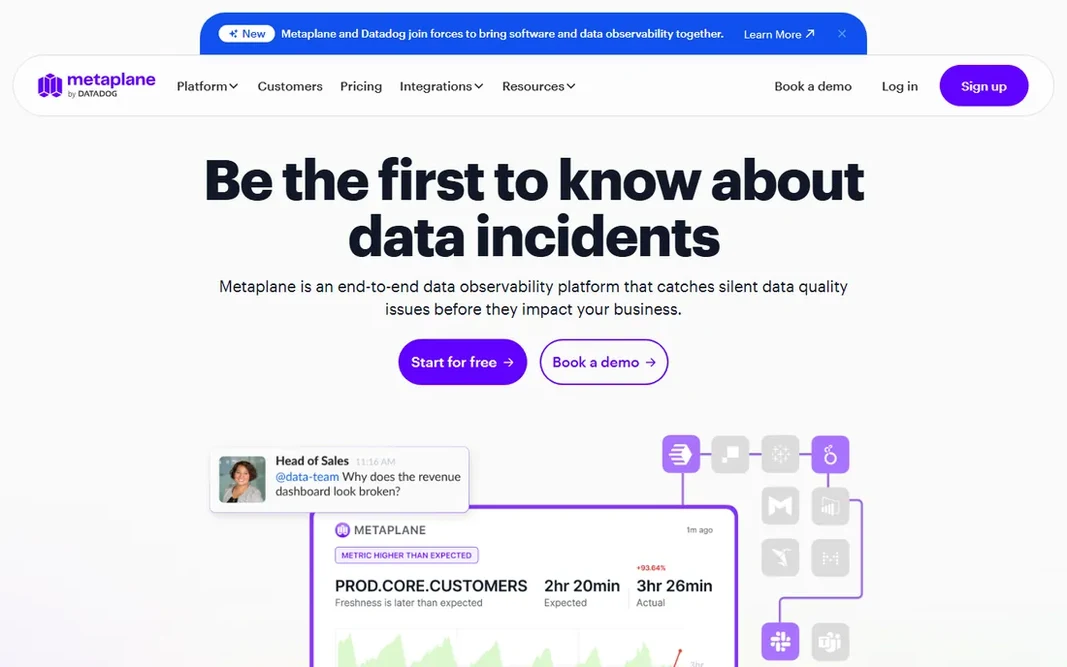
Pick Metaplane if this describes you: self-serve observability. Metaplane is self-serve data observability: link sources and start monitoring in minutes, with ML-powered anomaly detection and a Snowflake native app for secure in-platform processing. Beyond that, small and mid-sized data teams get observability without enterprise procurement cycles. The company is smaller; scope is narrower than Monte Carlo or Acceldata. But for quick, self-serve data observability, Metaplane's time-to-value is very good. Metaplane does not show a starting price in this comparison, so check the vendor site for current pricing. Free plan details: Not stated. Watch-outs: Narrower scope.

Price: See website

Free plan: Not stated

Website: metaplane.dev

Watch out for

  • Smaller company
2

Datafold

Data diffing and CI
See website

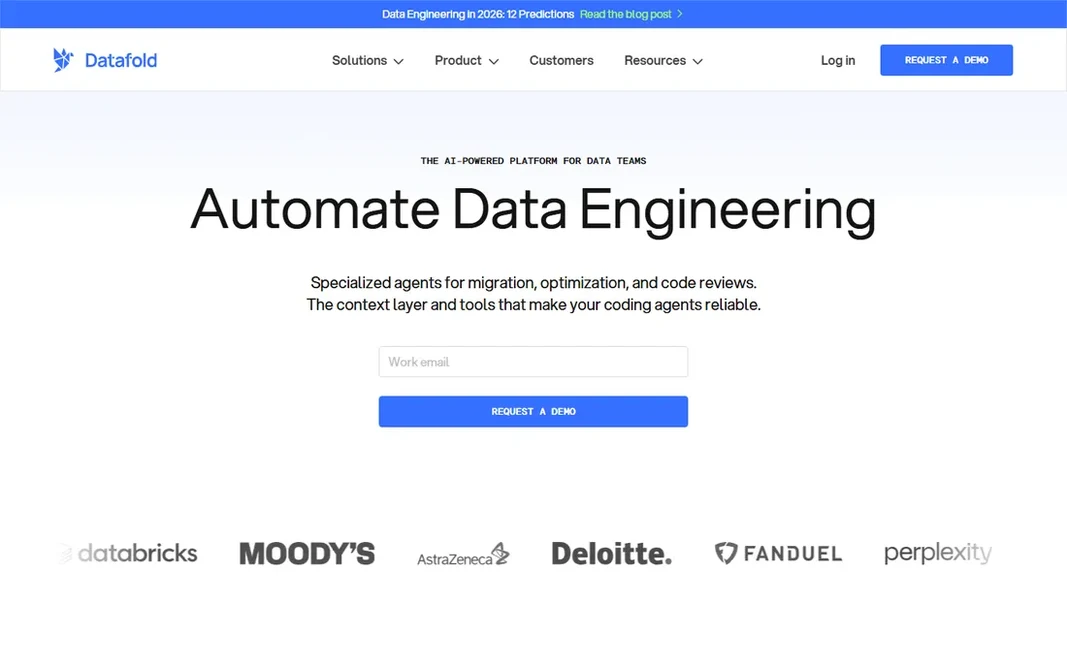
Datafold is aimed squarely at data diffing and CI. The focus is specialized; it complements instead of replaces wide observability. But for preventing data incidents at the source, Datafold's diffing is unmatched. Where it falls short: Pricing. Teams ship data changes with confidence. Catching issues before deployment is always less expensive than catching them in production. For everyday use, a bad dbt model that ships can corrupt downstream tables for hours before anyone notices; Datafold stops that class of incident entirely. The diffing capability is unique and feature-rich for dbt-heavy workflows. Pricing for Datafold is not stated here, so ask the vendor for current figures. As for free access: Not stated. Highlights: Data diffing.

Free plan: Not stated

Website: datafold.com

Strengths

  • Stops bad deploys
  • CI for dbt

Watch out for

  • Specialized focus
3

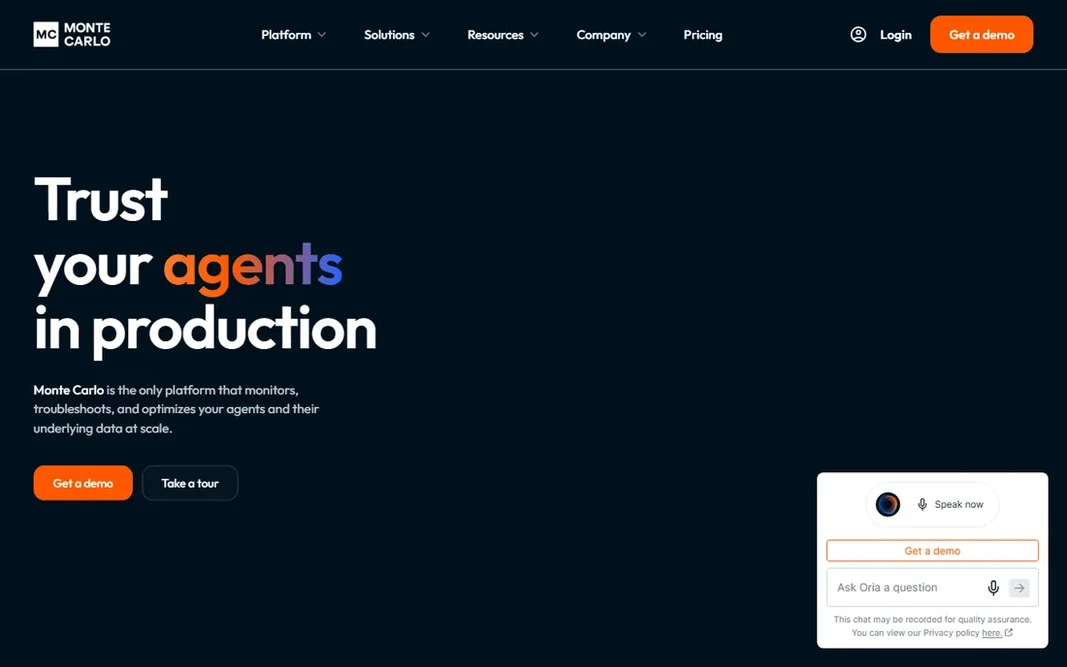
Monte Carlo

Automatic data observability
See website

Monte Carlo is designed for automatic data observability. Monte Carlo pioneered data observability: automatic monitoring across freshness, volume, distribution, schema, and lineage, catching data downtime before stakeholders notice. As for the details, integrations span the modern data stack, from warehouses to BI tools. But as the category-defining data observability product, Monte Carlo sets the standard others are measured against. Its incident management workflows help teams move from detection to resolution systematically. This comparison lists no price for Monte Carlo; ask the vendor. As for free access: Not stated. Watch-outs: Can be complicated.

Free plan: Not stated

Website: montecarlodata.com

Strengths

  • Automatic monitoring
  • Category leader

Watch out for

  • Enterprise pricing
4

Acceldata

Enterprise data observability
See website

Acceldata works best for enterprise data observability. Large organizations with complicated data estates get unified monitoring. The unified view stops the tool sprawl that plagues enterprise data teams. Enterprise complexity and pricing apply. Beyond that, the cost visibility features address FinOps concerns alongside quality, which matters as data bills grow. No starting price is listed for Acceldata here; confirm pricing on the vendor site. Free plan details: Not stated. Downsides: Pricing.

Free plan: Not stated

Website: acceldata.io

Strengths

  • Wide system
  • Enterprise scale

Watch out for

  • Enterprise complexity
5

Anomalo

ML anomaly detection
See website

Anomalo is designed for ML anomaly detection. Data teams get intelligent monitoring that boosts over time as the models learn each dataset's patterns. The focus is narrower than full observability systems. In practice, pricing is enterprise. Its unsupervised approach means coverage starts at once, without waiting for engineers to write rules. Check the vendor site for Anomalo pricing; none is listed in this comparison. Trial and free access: Not stated. The main drawbacks: Narrower focus.

Free plan: Not stated

Website: anomalo.com

Strengths

  • Capable ML detection
  • Unsupervised monitoring

Watch out for

  • Pricing
6

Soda

Data contracts and testing
See website

In short, Soda is for data contracts and testing. Soda brings software engineering practices to data quality: data contracts, testing in code, and an open-source core (SodaCL) that engineers adopt bottom-up. On top of that, teams define quality expectations as code and enforce them in pipelines. It needs more practical work than fully automatic systems. The company is smaller than Monte Carlo. On top of that, teams that already treat infrastructure as code find Soda's approach natural. Check the vendor site for Soda pricing; none is listed in this comparison. Free access: Not stated. Where it is weaker: Smaller company.

Free plan: Not stated

Website: soda.io

Strengths

  • Data contracts
  • Engineer-friendly

Watch out for

  • More DIY than competitors

FAQ

Do these tools publish their prices?

No. None of the tools, from Metaplane to Soda, shows a fixed starting price here, so budget time for quotes.

How are the tools for data observability tools ordered?

The order follows typical fit for data observability tools, with Metaplane first and Soda last, then price clarity and free access. It is editorial judgement, not a score, so another team could rank the tools differently.

Is Metaplane the right pick for everyone comparing data observability tools?

No single tool suits every team. Metaplane comes first because it fits self-serve observability, while Datafold suits data diffing and CI and Monte Carlo suits automated data observability. Match the tool to your own size, budget and workflow before deciding.

How is this different from data quality tools?

Traditional data quality tools focus on profiling and cleansing. Ask for specific demonstrations of monitoring, alerting, and incident workflows instead of accepting category claims.

Does any tool for data observability tools here have a free plan?

No tool in this list, Metaplane and Soda included, has a permanent free plan. Trials and quotes are the usual route, so plan a short evaluation period.