Collaboration · Researched comparison

6 Top Messaging Software Options Compared (2026)

TaskReports may earn a fee from some links on this page, and some placements are paid and labelled. Neither one decides the order. See our disclosure.

The short answer

This list puts Discord first for communities and gamers. Look at Microsoft Teams for Microsoft 365 shops, and at Twist for async-first team communication. All 6 tools are compared below on price, free plan and limits.

On this page

Key takeaways

  • Discord is the opening pick, best for communities and gamers.
  • Slack fits team chat standard.
  • Expect to ask for a quote from Microsoft Teams, Twist, Flock and others; the other tools show a starting price.
  • Discord comes with a trade-off: not designed for business compliance.
  • Discord stands alone as the one tool in this list with a free plan.

Quick comparison

ToolFree tierBest forWatch out for
------------
DiscordYesCommunities and gamersCan feel informal
Microsoft TeamsFree trialMicrosoft 365 shopsChat experience trails Slack
TwistFree trialAsync-first team communicationReal-time needs suffer
FlockFree trialFeature-rich team messagingSmaller integration library
MattermostFree trialSelf-hosted team chatFewer integrations
SlackFree trialTeam chat standardPricey at scale
★ Best overall

Discord

Communities and gamers

  • Huge community features
  • Free with generous limits

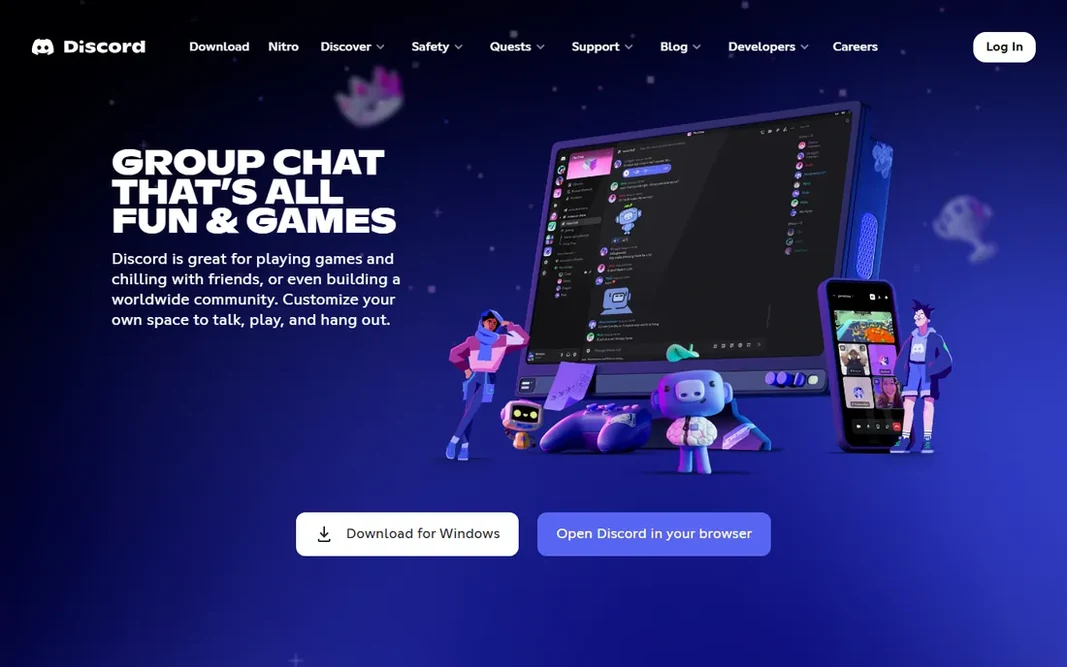
Pick Discord if this describes you: communities and gamers. The gaming aesthetic can feel unserious in corporate contexts. Limits to weigh: Not aimed at business compliance. The voice channels enable drop-in conversation that scheduled meetings cannot, and the free level is remarkably ample. In daily use, Discord grew up with gaming communities but now hosts everything from study groups to open-source projects to creator fanbases. Discord pricing: Free. Free access exists with Discord.

Price: Free

Free plan: Yes

Website: discord.com

Watch out for

  • Can feel informal
2

Microsoft Teams

Microsoft 365 shops
See website

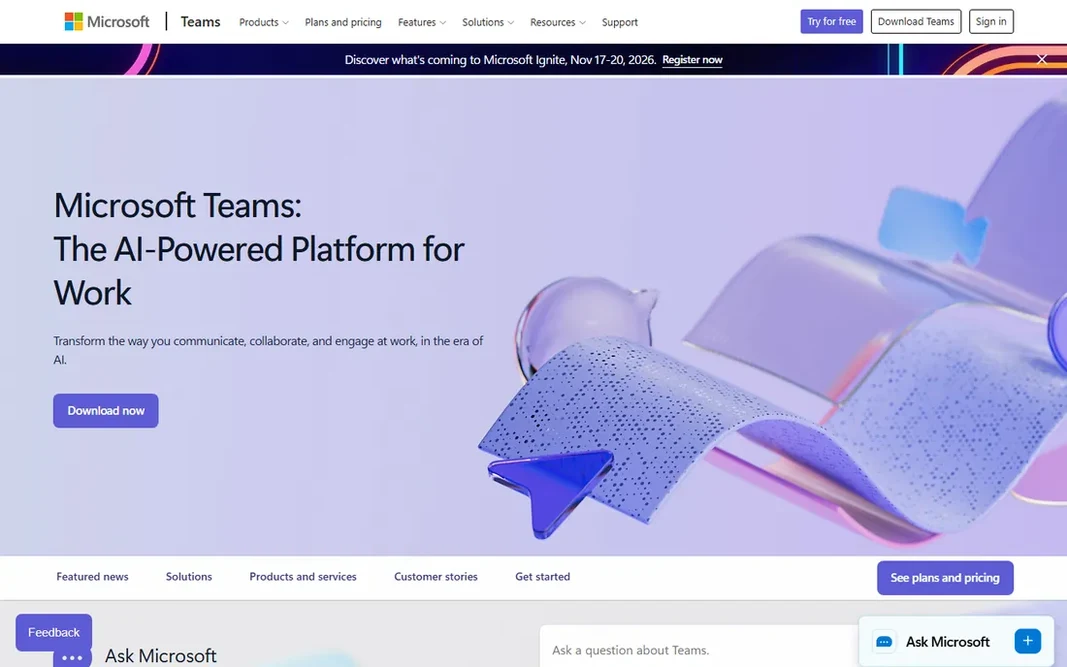
Microsoft Teams serves Microsoft 365 shops. Teams wins on bundling: organizations paying for Microsoft 365 get capable chat, meetings, and collaboration without another subscription. More specifically, video meetings are a strength; numerous businesses run their whole meeting culture on Teams. Drawbacks to consider: Chat experience trails Slack. The chat includes channels, threads, and apps, handling the daily communication needs of most organizations. But when the choice is Teams-included compared with Slack-as-another-bill, finance normally decides, and Teams is capable enough that most teams adapt happily. Pricing for Microsoft Teams is not stated here, so ask the vendor for current figures. Free options: Free trial.

Free plan: Free trial

Website: microsoft.com/en-us/microsoft-teams/group-chat-software

Strengths

  • Bundled with Microsoft 365
  • Decent video meetings

Watch out for

  • Interface can feel cluttered
3

Twist

Async-first team communication
See website

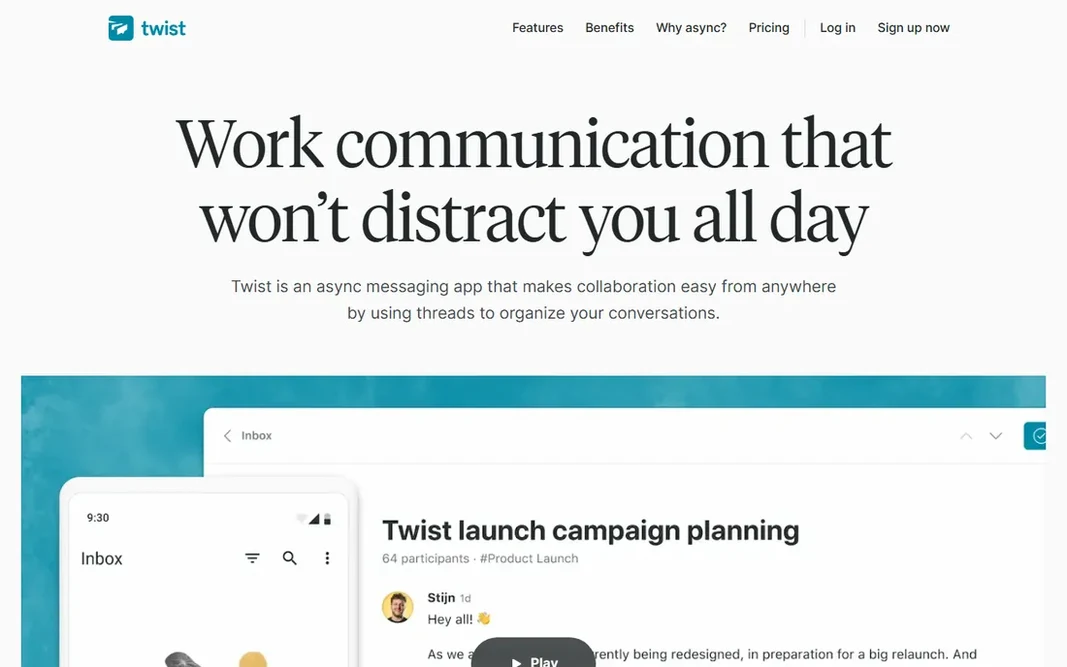
In short, Twist is for async-first team communication. Conversations are organized as threads by topic, notifications are batched thoughtfully, and the design assumes people respond in hours, not seconds. It is team communication for deep work cultures. What to check first: Smaller user base. Distributed teams across time zones find it liberating; the tool matches how async work actually flows. From a buyer's view, the philosophy matters: no green-dot pressure, no expectation of immediate response, no conversation lost in a scrolling channel. This comparison lists no price for Twist; ask the vendor. On free options: Free trial.

Free plan: Free trial

Website: twist.com

Strengths

  • Calmer than chat
  • Threads as first-class citizens

Watch out for

  • Live needs suffer
4

Flock

Feature-rich team messaging
See website

Flock targets feature-rich team messaging. The feature density means fewer extra tools: polls decide lunch, reminders nudge tasks, and built-in video deals with meetings. For everyday use, Flock packs remarkable functionality into a budget-friendly team messenger: channels, video conferencing, polls, reminders, to-dos, and file sharing, with a free level that spans small teams. It is widely used in markets where Slack's pricing bites hardest. From a buyer's view, brand recognition in the US and Europe is lower, and the integration library is smaller than Slack's. Check the vendor site for Flock pricing; none is listed in this comparison. Free plan details: Free trial. Where it falls short: Less known in Western markets.

Free plan: Free trial

Website: flock.com

Strengths

  • Packed with features
  • Decent video and polls

Watch out for

  • Smaller integration library
5

Mattermost

Self-hosted team chat
See website

Pick Mattermost if this describes you: self-hosted team chat. Mattermost is the open-source, self-hosted Slack alternative that security-conscious organizations choose. Conversations never leave your infrastructure, and the open-source code invites security review. The self-hosting story matters for regulated industries, governments, and firms with strict data residency requirements. From a buyer's view, the integration ecosystem is smaller than Slack's. But for organizations where data control is non-negotiable, Mattermost gives the modern chat experience without the cloud compromise. The interface will feel immediately familiar to Slack users: channels, threads, integrations, and plugins, all running on your own servers. Mattermost shows no starting price here, so confirm the cost on the vendor site. On free options: Free trial. Honest limits: Fewer integrations.

Free plan: Free trial

Website: mattermost.com

Strengths

  • Open source and self-hostable
  • Slack-like experience

Watch out for

  • You run infrastructure
6

Slack

Team chat standard
See website

Slack is built with team chat standard in mind. Slack defined modern team chat: channels for topics, threads for focus, and integrations that pull notifications from every tool into one stream. The workflow features go beyond chat: canvases for documents, huddles for fast voice, and Workflow Builder for automating routine processes. Search across years of conversation turns institutional knowledge retrievable. On top of that, the pricing stings at scale, and the free level's message history limit frustrates expanding teams. This comparison lists no price for Slack; ask the vendor. As for free access: Free trial. Limits to weigh: Expensive at scale.

Free plan: Free trial

Website: slack.com

Strengths

  • Everyone knows how to use it
  • The integration ecosystem

Watch out for

  • Message history limits on free level

Pre-purchase checklist

  • Confirm the entry price on the vendor page. For Microsoft Teams, Twist, Flock and others that means a quote rather than a fixed price.
  • Look at the free plan from Discord closely: its caps decide whether it is usable for real work.
  • Take the trial from Microsoft Teams, Twist, Flock and others and push a live task through it before you pay.
  • Read the limits listed for Discord first: not designed for business compliance.
  • Work out what Flock costs with your real seat count, add-ons and usage, not just the entry price.
  • See whether Microsoft Teams offers onboarding or training, and whether it is included in the price.

FAQ

Is Discord the right pick for everyone comparing messaging software?

No single tool suits every team. Discord comes first because it fits communities and gamers, while Microsoft Teams suits Microsoft 365 shops and Twist suits async-first team communication. Match the tool to your own size, budget and workflow before deciding.

Slack or Teams: how do we decide?

If you are on Microsoft 365, start with Teams; the bundling typically wins on cost. If you are not, or if chat quality and integrations matter most, Slack's experience justifies its price.

Can I try these options before paying?

Often, yes. Discord has a free plan and Microsoft Teams, Twist, Flock and others offer a free trial. Use your own data and a real task during the test, and check what the free tier or trial limits before you rely on it.

Is Discord appropriate for business use?

For community building, yes. For internal team communication in regulated industries, typically no, because of compliance limitations. Creative and tech businesses use it internally successfully, but evaluate data retention and admin controls first.

Do these tools publish their prices?

Not all of them. Microsoft Teams, Twist, Flock and others publish no starting price, so expect a quote request for those. The rest, Discord included, show a starting price, though seats and billing terms still change the final cost.

How do we cut chat overload?

Move status updates to threads or docs, reserve live chat for genuinely time-sensitive discussion, and let everyone mute freely. Leadership must model the behavior.