Project Management · Researched comparison

How to Pick Task Management App for Work: 6 Tools Compared

TaskReports may earn a fee from some links on this page, and some placements are paid and labelled. Neither one decides the order. See our disclosure.

The short answer

Wrike is the first pick on this list for enterprise work management. If your case is different, ClickUp suits all-in-one productivity and monday.com suits visual team workflows. Details, prices and limits for the rest of the 6 tools are below.

On this page

Key takeaways

  • The list opens with Wrike, aimed at enterprise work management.
  • Every tool from Wrike to Asana works by quote, with no list price shown.
  • One limit worth knowing about monday.com: pricing per user brings up.
  • Asana fits team task management.
  • A permanent free plan is missing from all 6 tools, Wrike and Asana included; plan for a trial or a premium start.

Quick comparison

ToolBest fitKey limitationStarts atFree tier
---------------
WrikeEnterprise work managementLearning curveSee websiteFree trial
ClickUpAll-in-one productivityPerformance variesSee websiteFree trial
monday.comVisual team workflowsCan get expensiveSee websiteFree trial
NotionDocs plus tasksCan get messySee websiteFree trial
TodoistPersonal task managementLess project depthSee websiteFree trial
AsanaTeam task managementCosts add upSee websiteFree trial
★ Best overall

Wrike

Enterprise work management

  • Decent reporting
  • Solid for complicated projects
PriceSee website
See Wrike pricing

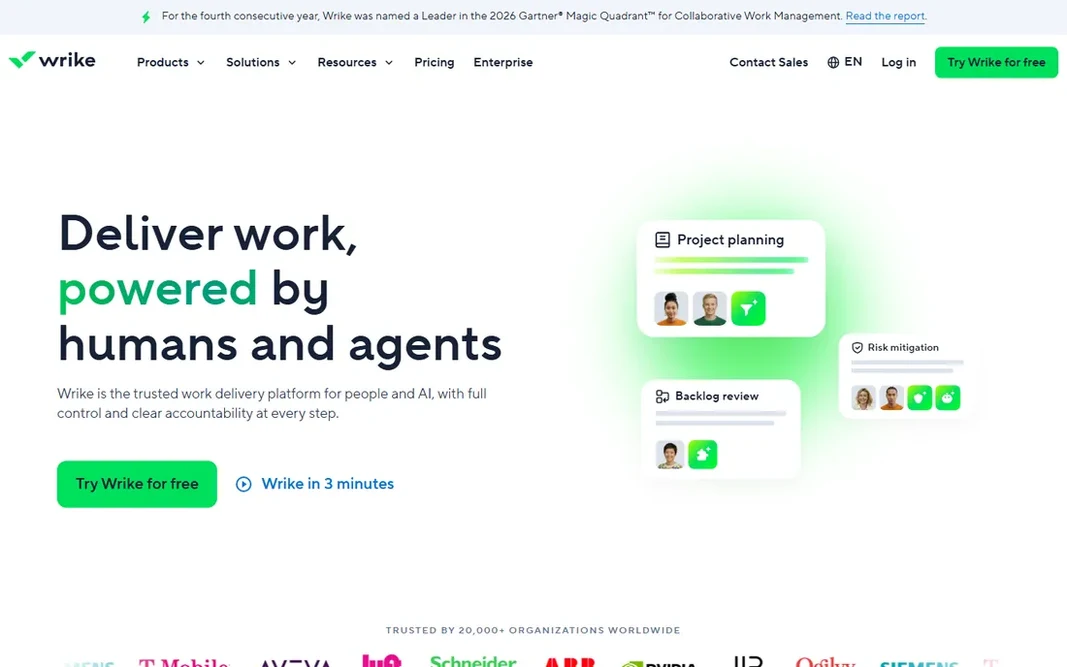
Wrike is designed for enterprise work management. Wrike serves teams with complicated project needs: in-depth planning, resource management, custom workflows, and the reporting that enterprises need. For everyday use, the analytics and reporting exceed most competitors, giving managers real visibility into workload and progress. Trade-offs to know: Ramp-up time. Also, the ramp-up time is steeper than more straightforward tools, and pricing targets teams instead of individuals. But for work management with enterprise depth, Wrike gives where lighter tools fall short. No starting price is listed for Wrike here; confirm pricing on the vendor site. As for free access: Free trial.

Price: See website

Free plan: Free trial

Website: wrike.com

Watch out for

  • Pricing for bigger teams
2

ClickUp

All-in-one productivity
See website

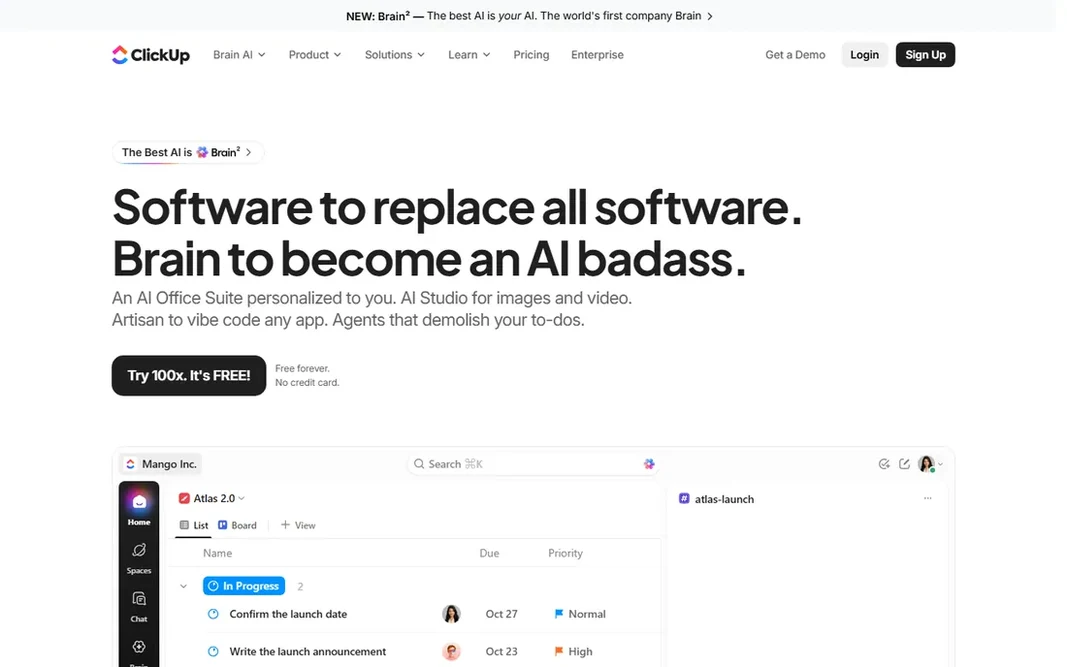
Where ClickUp fits: all-in-one productivity. Teams consolidating tools find the breadth compelling and the free level ample. Also, customization runs deep: views, fields, statuses, and automations adapt to any workflow. Points against: Performance varies. From a buyer's view, performance occasionally lags. But the value equation, enormous capability at modest prices, keeps winning converts. This comparison lists no price for ClickUp; ask the vendor. Trial and free access: Free trial.

Free plan: Free trial

Website: clickup.com

Strengths

  • Tasks plus docs plus goals
  • Deeply configurable

Watch out for

  • Overwhelming at first
3

monday.com

Visual team workflows
See website

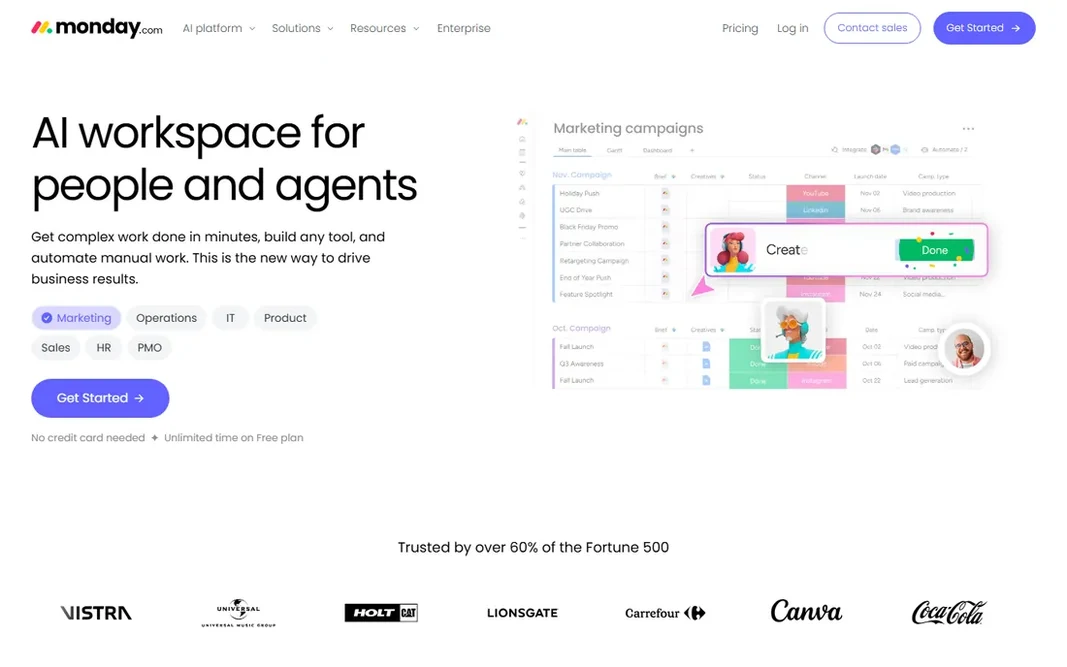
In short, monday.com is for visual team workflows. monday.com's colorful boards make task management approachable for teams that found traditional tools intimidating. As for the details, automations manage status changes, notifications, and routine updates without manual effort. Where it is weaker: Can get pricey. Also, the templates give every department a starting point. In daily use, configurable columns, automations, and dashboard views adapt to marketing, operations, sales, and creative workflows. Beyond that, per-user costs grow with teams, and the pricing can surprise at scale. Check the vendor site for monday.com pricing; none is listed in this comparison. On free options: Free trial.

Free plan: Free trial

Website: monday.com

Strengths

  • Visual and easy-to-learn
  • Adaptable boards

Watch out for

  • Pricing per user brings up
4

Notion

Docs plus tasks
See website

Notion is built with docs plus tasks in mind. Pure task management is less structured than Asana or Todoist; it is a workspace that bundles tasks, not a task tool. In daily use, databases with several views let teams build custom systems: project trackers, content calendars, and knowledge bases that link. The main drawbacks: Task management less structured. The template gallery helps, and the AI features assist with drafting and organization. As for the details, the adaptability is the appeal and the risk. From a buyer's view, Notion brings together documents, wikis, and tasks in one adaptable workspace. In daily use, teams design exactly what they need, but undisciplined setups become confusing. Notion does not show a starting price in this comparison, so check the vendor site for current pricing. Free options: Free trial.

Free plan: Free trial

Website: notion.so

Strengths

  • A good match for knowledge work
  • Adaptable databases

Watch out for

  • Can get messy
5

Todoist

Personal task management
See website

For personal task management, Todoist is a natural candidate. Natural language input ("Submit report Friday at 3pm") makes capturing tasks easy, and the Karma system gamifies productivity gently. Limits to weigh: Team features are lighter. But for personal productivity and small team task sharing, Todoist's speed and simplicity are unmatched. Todoist shows no starting price here, so confirm the cost on the vendor site. Free access: Free trial.

Free plan: Free trial

Website: todoist.com

Strengths

  • Excellent natural language input
  • Beautifully straightforward

Watch out for

  • Less project depth
6

Asana

Team task management
See website

Asana serves team task management. The several views, list, board, timeline, calendar, let everyone work the way they think. Beyond that, integrations with Slack, Gmail, and hundreds of tools keep work connected. Per-user pricing brings up for large teams, and the most capable features sit on higher levels. But for the core job of teams getting work done together with clarity, Asana's balance is the benchmark. Asana shows no starting price here, so confirm the cost on the vendor site. As for free access: Free trial. Watch-outs: Costs add up.

Free plan: Free trial

Website: asana.com

Strengths

  • The right balance of power and usability
  • Capable integrations

Watch out for

  • Advanced features need higher levels

FAQ

What is the biggest task management mistake?

Tracking everything at the same level of detail. Not every task deserves subtasks, dependencies, and custom fields. Match the overhead to the importance; straightforward tasks should stay straightforward.

How are the tools for task management app for work ordered?

The order follows typical fit for task management app for work, with Wrike first and Asana last, then price clarity and free access. It is editorial judgement, not a score, so another team could rank the tools differently.

Can I try these tools before paying?

Often, yes. Wrike, ClickUp, monday.com and others offer a free trial. Use your own data and a real task during the test, and check what the free tier or trial limits before you rely on it.

Should tasks live in email or a task tool?

A task tool, always. Email buries tasks in threads; dedicated tools make ownership, deadlines, and status visible. Forward emails to the task tool instead of managing work from the inbox.

How detailed should tasks be?

Actionable in one sitting is the test. Break work into tasks completable in hours, not weeks. Vague mega-tasks stall; clear small tasks move.

Is Wrike the right pick for everyone comparing task management app for work?

No single tool suits every team. Wrike comes first because it fits enterprise work management, while ClickUp suits all-in-one productivity and monday.com suits visual team workflows. Match the tool to your own size, budget and workflow before deciding.