Project Management · Researched comparison

Best Virtual Event Platforms (2026): 8 Options Compared

TaskReports may earn a fee from some links on this page, and some placements are paid and labelled. Neither one decides the order. See our disclosure.

The short answer

For event networking and matchmaking, Swapcard is where this list starts. Bizzabo fits B2B conferences and summits; Whova fits Attendee-friendly mid-sized events. The other 5 tools in the list cover narrower or pricier cases.

On this page

Key takeaways

  • Number one here is Swapcard, a fit for event networking and matchmaking.
  • Swapcard, Cvent and the 6 others all sell by quote; expect sales conversations before you see a price.
  • Before buying Whova, weigh this: branding customization is restricted.
  • A permanent free plan is missing from all 8 tools, Swapcard and Cvent included; plan for a trial or a premium start.

Quick comparison

ToolBest fitFree tierOfficial site
------------
SwapcardEvent networking and matchmakingNoswapcard.com
BizzaboB2B conferences and summitsNobizzabo.com
WhovaAttendee-friendly mid-sized eventsNowhova.com
ON24Webinars and demand generationNoon24.com
vFairsVirtual expos and job fairsNovfairs.com
RingCentral EventsLarge virtual and hybrid conferencesFree trialringcentral.com
GoldcastB2B video events for marketersNogoldcast.io
CventFull event lifecycle managementNocvent.com
★ Best overall

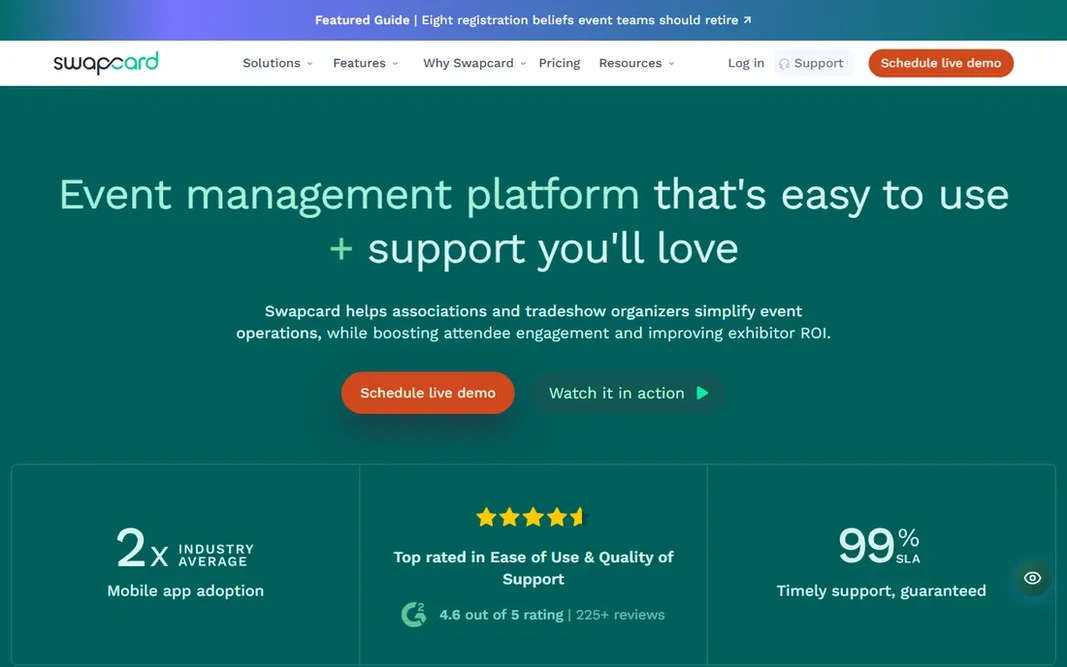
Swapcard

Event networking and matchmaking

  • Solid mobile app
  • A decent match for hybrid and in-person too
PriceSee website
See Swapcard pricing

Swapcard makes the most sense for event networking and matchmaking. Session management and virtual stage features are competent instead of leading. But if your event's success metric is connections made instead of sessions watched, Swapcard's networking engine is the differentiator. No starting price is listed for Swapcard here; confirm pricing on the vendor site. Swapcard has no free tier. Drawbacks to consider: Pricing needs a quote.

Price: See website

Free plan: No

Website: swapcard.com

Watch out for

  • The event content side is thinner
2

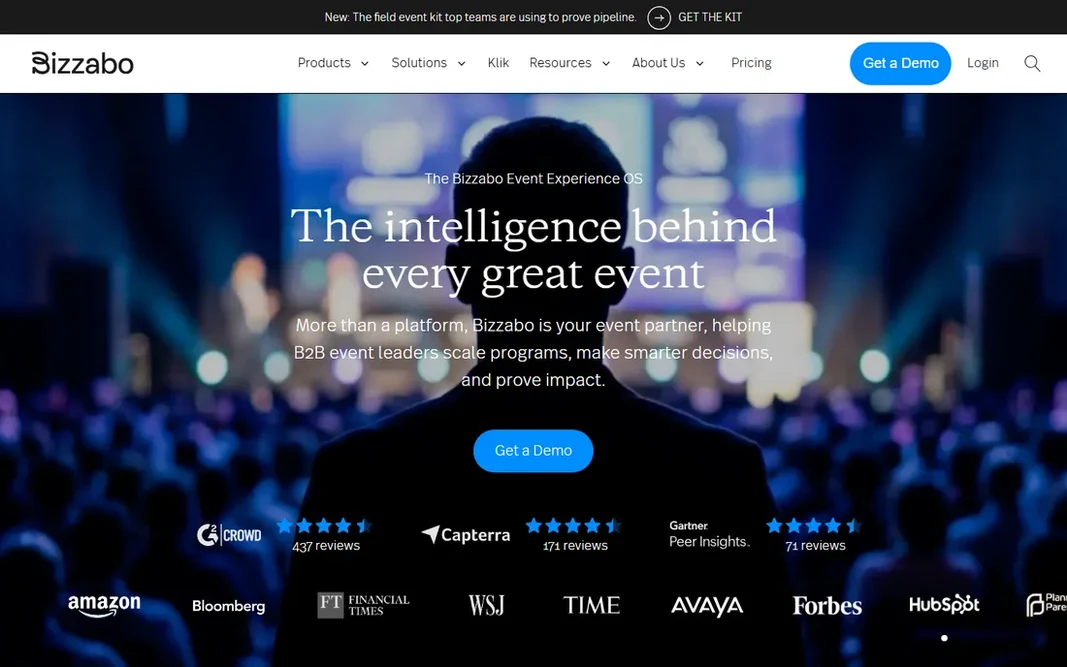
Bizzabo

B2B conferences and summits
See website

Bizzabo was built for B2B conferences and summits. Bizzabo positions itself as an event operating system instead of just a virtual venue. More specifically, registration, event websites, mobile apps, and virtual sessions link into one data model, so marketing can track a contact from first click to attended session to pipeline. The hybrid event support is genuinely decent, with in-person and virtual audiences sharing agendas and networking. This is enterprise software with enterprise pricing and onboarding. But B2B marketing teams running a flagship summit, notably hybrid, get the registration-to-revenue tracking that justifies the cost. This comparison lists no price for Bizzabo; ask the vendor. There is no free plan with Bizzabo. Where it falls short: Enterprise pricing.

Free plan: No

Website: bizzabo.com

Strengths

  • Decent analytics for proving ROI
  • Capable registration and ticketing

Watch out for

  • Implementation needs planning
3

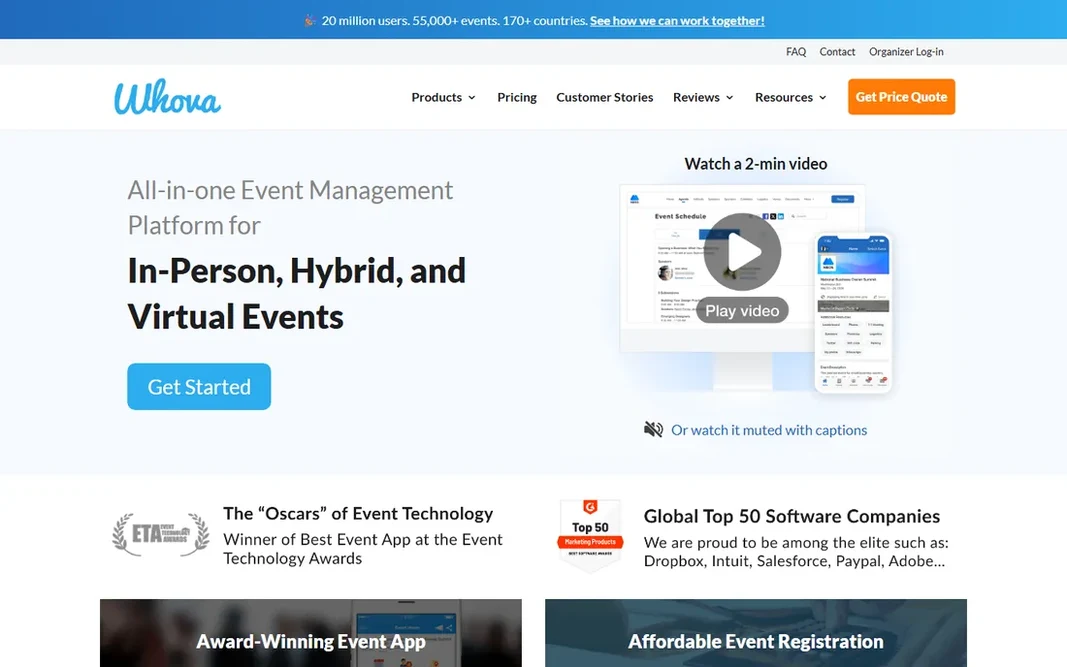
Whova

Attendee-friendly mid-sized events
See website

Whova is a good fit for Attendee-friendly mid-sized events. Whova wins on the attendee experience, which is rarer than it sounds. In practice, for associations and corporate events where adoption matters, Whova is a solid pick. Organizers like the backer and exhibitor tools, live polling, and the surprisingly decent networking features for mid-sized events. And whereas it manages large events, the sweet spot is hundreds to a handful of thousand attendees. This comparison lists no price for Whova; ask the vendor. Whova does not include a free plan. Trade-offs to know: Branding customization is restricted.

Free plan: No

Website: whova.com

Strengths

  • Strong agenda and networking features
  • Low-cost for mid-sized events

Watch out for

  • Best for hundreds
4

ON24

Webinars and demand generation
See website

ON24 serves webinars and demand generation. If your goal is webinars that create measurable pipeline, ON24 is the specialist. If your goal is a flagship virtual summit, look elsewhere. As for the details, webinars run with polls, Q&A, CTAs, and content hubs, and every interaction feeds engagement scores that sync to Marketo, HubSpot, or Salesforce. In daily use, the analytics show exactly which content moved each account, which is why demand-gen teams swear by it. It is not a virtual conference system in the Hopin sense: no expo floors, no sprawling multi-track agendas. From a buyer's view, pricing is enterprise and quoted. This comparison lists no price for ON24; ask the vendor. ON24 has no free plan. The main drawbacks: not a full conference system.

Free plan: No

Website: on24.com

Strengths

  • Best-in-class engagement analytics for marketers
  • Solid integrations with MAPs and CRMs

Watch out for

  • Pricing is enterprise
5

vFairs

Virtual expos and job fairs
See website

vFairs works best for virtual expos and job fairs. The 3D animated environments look impressive in demos, and exhibitors get booths with chat, video calls, and document libraries. In daily use, the company also provides completely managed events, where their team builds and runs the entire thing. In practice, pricing is quote-based with no free level. But for expos and fairs where booth interaction is the point, vFairs is purpose-built in a way general systems are not. vFairs shows no starting price here, so confirm the cost on the vendor site. There is no free plan with vFairs. Where it falls short: No self-serve free level.

Free plan: No

Website: vfairs.com

Strengths

  • Full-service project management choice
  • Capable for career fairs and expos

Watch out for

  • 3D environments can feel gimmicky for serious B2B
6

RingCentral Events

Large virtual and hybrid conferences
See website

RingCentral Events is aimed squarely at large virtual and hybrid conferences. The cost reflects the ambition: plans are quoted, and extras accumulate. More specifically, running a flagship conference on it normally means hiring production support too. The registration, streaming, and engagement data feed into one dashboard, which is what large organizers actually need. Check the vendor site for RingCentral Events pricing; none is listed in this comparison. On free options: Free trial. What to check first: The admin backend has a ramp-up time.

Free plan: Free trial

Website: ringcentral.com

Strengths

  • Backed by RingCentral's infrastructure
  • Capable expo and networking areas

Watch out for

  • Pricing is quote-based and brings up
7

Goldcast

B2B video events for marketers
See website

Pick Goldcast if this describes you: B2B video events for marketers. Goldcast targets B2B marketing teams that run events as a pipeline channel. As for the details, for B2B teams where events must present pipeline impact, Goldcast speaks their language. On top of that, the experience feels modern where some enterprise systems feel corporate. It is narrower than Cvent or RingCentral Events: this is a marketer's video event tool, not an association management system. The company is newer, so reference customers matter more in evaluation. No starting price is listed for Goldcast here; confirm pricing on the vendor site. Goldcast has no permanent free option. What to check first: Narrower use case than full event systems.

Free plan: No

Website: goldcast.io

Strengths

  • Clean modern experience
  • Made for pipeline-focused B2B marketers

Watch out for

  • Newer vendor with a smaller track record
8

Cvent

Full event lifecycle management
See website

Cvent is designed for full event lifecycle management. Cvent is the broadest event system here. Also, pricing is quote-based and the contracts are serious commitments. If your events are largely in-person with a virtual component, Cvent's on-site depth is unmatched. The breadth is also the weakness: the virtual event module competes with dedicated virtual systems and does not always win on attendee experience. Cvent does not show a starting price in this comparison, so check the vendor site for current pricing. Cvent does not include a free plan. Where it shines: Solid in-person tools. Drawbacks to consider: Pricey and complicated.

Free plan: No

Website: cvent.com

Strengths

  • Handles everything from sourcing venues to post-event surveys
  • Huge feature depth

Watch out for

  • The virtual side is one module among numerous

FAQ

Does any tool for virtual event platforms here have a free plan?

A permanent free plan is not offered by Swapcard, Cvent or the other tools here. RingCentral Events offer a trial. Plan a short evaluation period instead.

Is Swapcard the right pick for everyone comparing virtual event platforms?

No single tool suits every team. Swapcard comes first because it fits event networking and matchmaking, while Bizzabo suits B2B conferences and summits and Whova suits Attendee-friendly mid-size events. Match the tool to your own size, budget and workflow before deciding.

How much does a virtual event system cost?

Almost every system here prices by quote, based on attendees, features, and support level. Small events on self-serve levels can run hundreds a month; enterprise conferences run into five or six figures.

Can I try these options before paying?

Often, yes. RingCentral Events offers a free trial. Use your own data and a real task during the test, and check what the free tier or trial limits before you rely on it.

How are the tools for virtual event platforms ordered?

The order follows typical fit for virtual event platforms, with Swapcard first and Cvent last, then price clarity and free access. It is editorial judgement, not a score, so another team could rank the tools differently.

What is the best virtual event system for a large conference?

Start with Swapcard if you need event networking and matchmaking. Bizzabo is the better match for B2B conferences and summits, and Whova for Attendee-friendly mid-sized events. The best choice depends on budget, team size and workflow.