HR and Workforce · Researched comparison

App Onboarding Experiences Buyer's Guide: 6 Tools for 2026

TaskReports may earn a fee from some links on this page, and some placements are paid and labelled. Neither one decides the order. See our disclosure.

The short answer

If you need personalized search setup, Airbnb is the first tool to look at here. Alternatives: Calm for Mood-based personalization, and Notion for template-led workspace setup. The remaining 3 options are covered below with prices and limits.

On this page

Key takeaways

  • Airbnb takes the first slot, best suited to personalized search setup.
  • Headspace suits Calm, guided first session.
  • Before buying Duolingo, weigh this: Gamification can distract from depth.
  • 6 of the 6 tools have a free plan, including Airbnb, Calm, Notion and Duolingo.

Quick comparison

ToolBest forFree optionBiggest drawback
------------
AirbnbPersonalized search setupYesTrust steps add friction
CalmMood-based personalizationYesFree tier is limited
NotionTemplate-led workspace setupYesTemplate choice takes time
DuolingoValue before signupYesGamification can distract from depth
CanvaFirst design in minutesYesLarge library can overwhelm new users
HeadspaceCalm, guided first sessionYesFree content is limited
★ Best overall

Airbnb

Personalized search setup

  • Host and guest paths are plainly separated
  • Straightforward search-first onboarding
PriceFree to join
See Airbnb pricing

Airbnb is designed for personalized search setup. The limits appear later in booking. Host and guest paths are also separated plainly, so a person who wants to host does not follow the guest flow by mistake. Watch-outs: Full booking flow still needs plenty of steps. From a buyer's view, a new user can search for a place, dates, and guests without a long signup flow, and the app asks whether the trip is for work or leisure to tailor results and filters. That approach respects the user goal, which is finding a place to stay, instead of forcing account setup before any value appears. On top of that, Airbnb onboarding is search-first, which is its primary strength. What you pay to start with Airbnb: Free to join. Free access exists with Airbnb.

Price: Free to join

Free plan: Yes

Website: airbnb.com

Watch out for

  • Personalization is restricted for new users with no history
2

Calm

Mood-based personalization
Free; Premium plans available

Calm is built with Mood-based personalization in mind. Calm onboarding asks how you feel and what you want, like better sleep, less stress, or more focus, then suggests meditations, sleep stories, and music for that goal. From a buyer's view, Calm displays that mood-based personalization works when questions are few and the first recommendation is simple to try, but teams should be honest about what is free, so users do not feel tricked by a paywall after a promising setup. Calm pricing: Free. Calm has a free plan. Limits to weigh: Premium needed for most content.

Free plan: Yes

Website: calm.com

Strengths

  • Mood and goal questions shape recommendations
  • Sleep stories provide a second entry point

Watch out for

  • Free level is restricted
3

Notion

Template-led workspace setup
Free; premium plans available

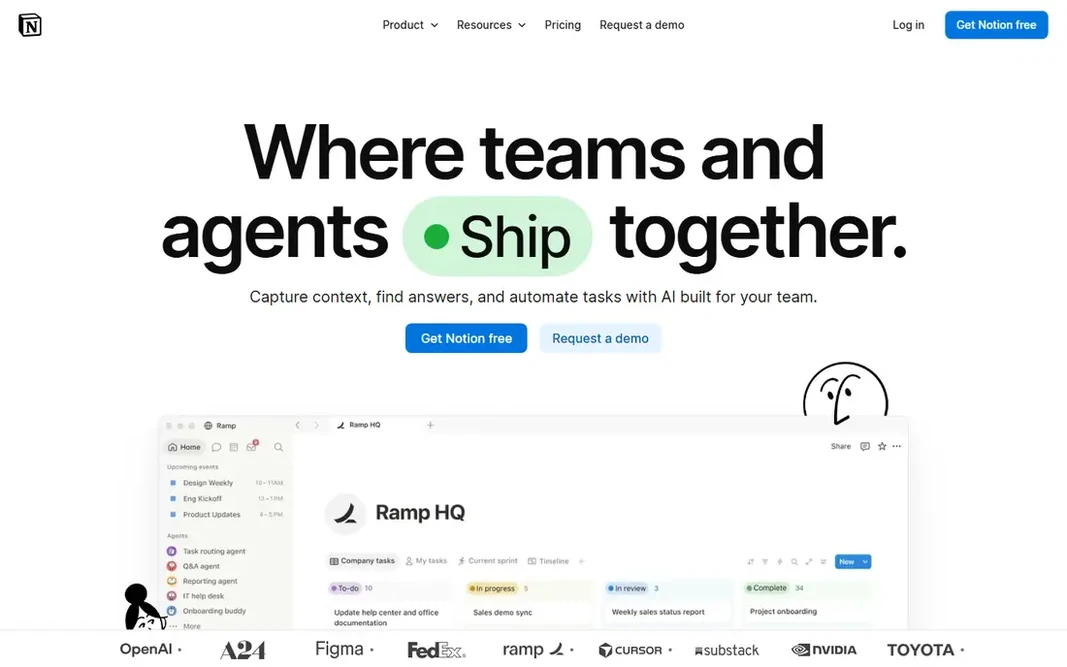
Pick Notion if this describes you: template-led workspace setup. Empty states and in-product guides then display how to produce a first page, add a task, or build a straightforward database, which turns a blank workspace into a working one. Where it is weaker: Template choice takes time. From a buyer's view, too plenty of templates can overwhelm a new user. The ramp-up time is steeper than a single-purpose app like Calm or Duolingo. Notion starts at: Free. Notion offers a free plan.

Free plan: Yes

Website: notion.so

Strengths

  • Role questions tailor suggestions
  • Templates for notes, tasks, wikis

Watch out for

  • Ramp-up time is steeper than single-purpose apps
4

Duolingo

Value before signup
Free; Super $12.99 a month

Duolingo is designed for value before signup. Duolingo onboarding is famous since it delays the account wall. On top of that, goal questions and placement checks then shape the path, so the next lessons feel tailored instead of generic. In daily use, a new user picks a language, sets a daily goal, and starts a first lesson within a minute, earning points and seeing progress before any signup screen appears. Also, the lesson for product teams is about friction order, not just design polish. Starting cost for Duolingo: Free. Duolingo offers a free plan. Limits to weigh: Hearts and ads in the free level interrupt flow.

Free plan: Yes

Website: duolingo.com

Strengths

  • First lesson starts before account creation
  • Goal and level questions shape the path

Watch out for

  • Gamification can distract from depth
5

Canva

First design in minutes
Free; Pro plans available

In short, Canva is for first design in minutes. Canva displays that the best onboarding for a creative tool is a finished artifact, not a tour of menus, and that templates are a capable starting point when they result in a real result. Within minutes, a new user has edited text, changed a color, and downloaded or shared something they made, which is a concrete win that a feature tour cannot match. Also, a first design made from a template feels simple. But users who require original layouts may need more guidance to move beyond templates. Canva starts at: Free. Canva includes a free tier. Trade-offs to know: Pro features are simple to hit.

Free plan: Yes

Website: canva.com

Strengths

  • Guided tutorial presents a real task
  • Role questions tailor the home screen

Watch out for

  • Large library can overwhelm new users
6

Headspace

Calm, guided first session
Free; Premium plans available

Headspace is built with Calm, guided first session in mind. The style is also specific, with a calm voice and straightforward visuals that suit numerous users but not all. As for the details, for wellness and habit apps, Headspace presents that onboarding should deliver the promised feeling in the first session, then guide users into a structured course instead of leaving them to browse. Headspace onboarding starts with the feeling the app promises. In practice, new users answer a handful of questions about goals, like sleep, stress, or focus, then try a short guided meditation instead of reading a feature list. That first session hands a taste of calm within minutes, which builds an emotional anchor: the user associates Headspace with a calmer state, not just with a set of audio files. Beyond that, the Basics course then builds skills gradually, so a beginner is not dropped into a large library with no path. On cost, Headspace starts like this: Free. A free plan is available with Headspace. Watch-outs: Free content is restricted.

Free plan: Yes

Website: headspace.com

Strengths

  • First session gives calm
  • Not just explanation

Watch out for

  • Meditation style may not suit everyone

FAQ

Can I try these tools before paying?

Often, yes. Airbnb, Calm, Notion and others have a free plan. Use your own data and a real task during the test, and check what the free tier or trial limits before you rely on it.

Is personalization worth the additional setup questions?

Goal, role, and taste questions work when they shape the home screen, first lesson, or first playlist. They fail when they result in the same generic screen, so teams should display the tailored result at once.

How numerous onboarding steps are too numerous?

There is no fixed number, but most solid flows use three to five steps before the first value, then add guidance gradually. If users drop off at a specific step, shorten that step, move it later, or replace it with a guided task.

Which options for app onboarding experiences have a free plan?

6 of the 6 tools have a free plan, including Airbnb, Calm, Notion and Duolingo. Free plans usually cap users, projects or features, so check the limits on the vendor page.

Is Airbnb the right pick for everyone comparing app onboarding experiences?

No single tool suits every team. Airbnb comes first because it fits personalized search setup, while Calm suits Mood-based personalization and Notion suits template-led workspace setup. Match the tool to your own size, budget and workflow before deciding.

How are the tools for app onboarding experiences ordered?

The order follows typical fit for app onboarding experiences, with Airbnb first and Headspace last, then price clarity and free access. It is editorial judgement, not a score, so another team could rank the tools differently.