How we rank
HR and Workforce · Researched comparison

Best Timesheet Software for Botanical Gardens in 2026

TaskReports may earn a fee from some links on this page, and some placements are paid and labelled. Neither one decides the order. See our disclosure.

The short answer

Clockify is the first pick for most botanical gardens because its free plan covers unlimited users and tracks hours by project, which fits staff, volunteers and grant-funded work in one place. Harvest suits gardens that bill clients for venue hire or horticultural consulting. QuickBooks Time is the better fit when timesheets must feed payroll for seasonal crews.

On this page

Key takeaways

  • Clockify has a free plan with unlimited users and tracks hours by project and task, which suits gardens with mixed staff and volunteer crews.
  • Harvest starts at $12 per seat per month and combines time tracking with client and project billing for gardens that charge for venue hire or consulting.
  • QuickBooks Time and Homebase pair timesheets with payroll and scheduling, useful when seasonal staff hours feed directly into pay runs.
  • Toggl Track and Clockify both offer free entry tiers, so a small garden can test hourly tracking before paying for a full plan.

Quick comparison

ToolBest fitStarting price
ClockifyGardens tracking staff and volunteer hours by projectSee vendor pricing page
HarvestGardens billing clients for venue hire and consulting$12 per seat per month
Toggl TrackSmall garden teams that need simple hourly trackingSee vendor pricing page
QuickBooks TimeGardens that run payroll for seasonal staffSee vendor pricing page
HomebaseGardens scheduling seasonal staff and volunteersSee vendor pricing page
ClockSharkGardens tracking crews across multiple sitesSee vendor pricing page
TimeCampGardens allocating hours to grants and cost centersSee vendor pricing page

How we chose

We picked tools that support hourly tracking, project or cost-code reporting and a free or low-cost entry point suitable for gardens with mixed staff and volunteer teams. We reviewed vendor documentation and public pricing pages for plan structure and limits. We did not run hands-on tests or collect user reviews. Prices and free plan limits change, so confirm details on each vendor site before buying.

Best overall

Clockify

Gardens tracking staff and volunteer hours by project

  • Free plan allows unlimited users
  • tracks time by project, task and client
PriceSee vendor pricing page
See Clockify pricing
clockify.meHomepage, Nov 2026
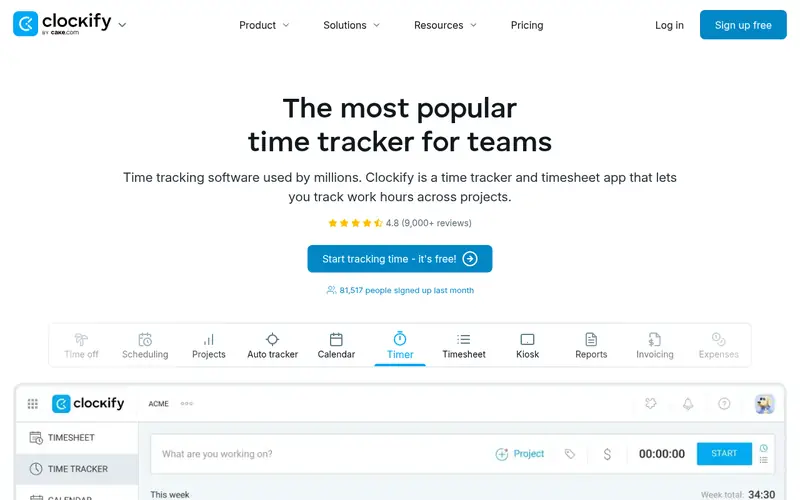
Clockify homepage

Clockify is built around a timer and manual timesheet entries, which works for a garden that splits hours between grounds maintenance, propagation, education programs and events. Each project can carry its own budget, so grant-funded work can be separated from general operations. The free plan covers unlimited users, which matters when volunteer coordinators and seasonal staff all need access. Paid tiers add features such as invoicing and advanced reporting. A garden that only needs basic hourly records can stay on the free plan. Larger gardens that bill clients or need detailed cost allocation should compare the paid plans on the vendor site before committing.

Price: See vendor pricing page

Free plan: Yes

Website: clockify.me

Watch out for

  • Some reporting features sit behind paid tiers
  • interface can feel dense for occasional users
2

Harvest

Gardens billing clients for venue hire and consulting
$12 per seat per month
getharvest.comHomepage, Nov 2026
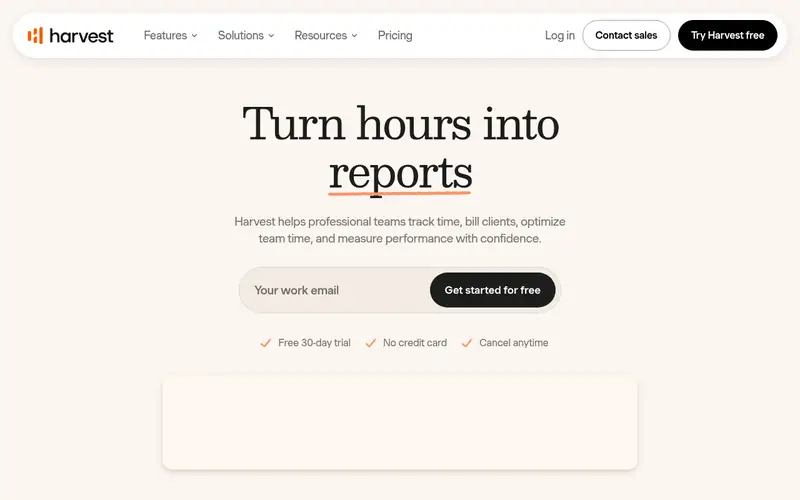
Harvest homepage

Harvest links time entries to projects, tasks and clients, then turns those hours into invoices. For a botanical garden that rents its grounds for events or charges for horticultural advice, this keeps billable hours separate from internal work. Budgets and retainer tracking show how much of a project's hours have been used. Pricing is per seat, so a garden with many occasional users should weigh the cost against the number of people who need logins. There is no free plan, only a trial. Gardens that do not bill anyone for time can use a simpler, cheaper tool.

Free plan: Free trial (30 days)

Website: getharvest.com

Strengths

  • Combines timesheets with invoicing
  • clear project budgets and retainer tracking

Watch out for

  • Per-seat pricing adds up for large teams
  • no permanent free plan
3

Toggl Track

Small garden teams that need simple hourly tracking
See vendor pricing page
toggl.comHomepage, Nov 2026
Toggl Track homepage

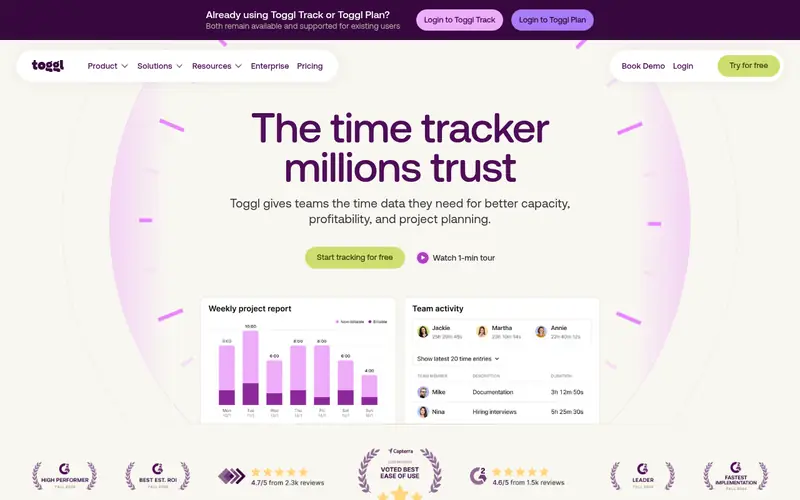
Toggl Track focuses on quick time entry. Staff can start a timer from a browser or mobile app and tag entries by project, which suits a garden where grounds staff move between tasks during the day. Reports summarize hours by project, client and team member. The free plan has a seat limit, so a garden with a large volunteer roster may outgrow it. Paid plans add more reporting and admin controls. It does not handle payroll, so gardens that need timesheets to feed pay runs should pair it with payroll software or choose a tool that includes payroll.

Free plan: Yes

Website: toggl.com/track

Strengths

  • Fast one-click timer
  • simple reports by project and tag

Watch out for

  • Limited free plan seats
  • fewer payroll features than dedicated payroll tools
4

QuickBooks Time

Gardens that run payroll for seasonal staff
See vendor pricing page
quickbooks.intuit.comHomepage, Nov 2026
QuickBooks Time homepage

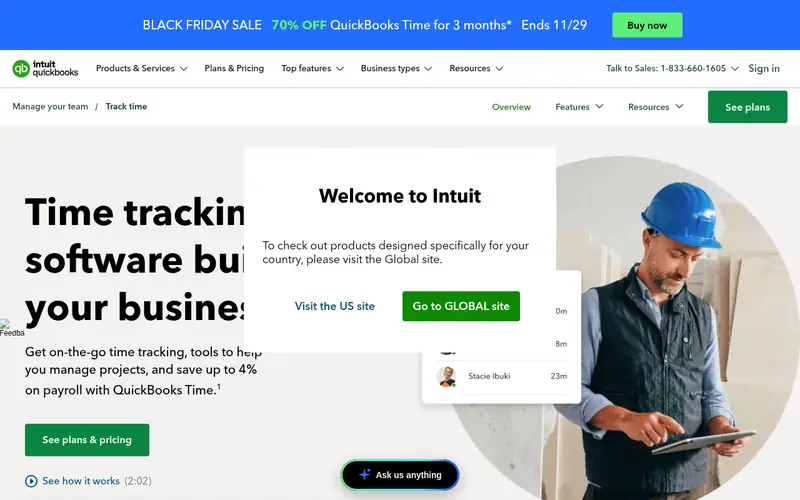
QuickBooks Time records hours by employee, job and service item, then moves approved timesheets into payroll. A botanical garden with seasonal grounds crews and event staff can use job codes to separate work by area or grant. Mobile clock-in helps staff who work across a large site. The tool works best alongside QuickBooks payroll and accounting. Gardens using other accounting software may find the integration less useful. There is a trial but no free plan, so small volunteer-only gardens should compare it with free options first.

Free plan: Free trial (30 days)

Website: quickbooks.intuit.com/time-tracking

Strengths

  • Timesheets feed payroll and job costing
  • mobile clock-in with GPS

Watch out for

  • Best value inside the QuickBooks ecosystem
  • no free plan
5

Homebase

Gardens scheduling seasonal staff and volunteers
See vendor pricing page
joinhomebase.comHomepage, Nov 2026
Homebase homepage

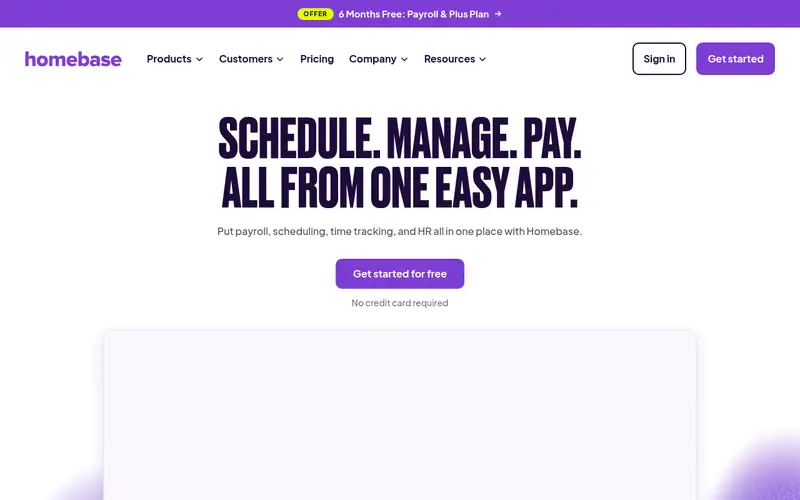
Homebase combines employee scheduling with timesheets and a mobile clock-in. That fits a garden that manages seasonal crews, event staff and volunteers on shifting rosters. Managers can publish schedules and see who clocked in, and hours can flow into payroll on paid plans. The free plan covers basic scheduling and time tracking for a single location, which suits a small garden. Larger gardens with multiple sites or detailed cost reporting will need a paid tier. Confirm current free plan limits on the vendor site before relying on them.

Free plan: Yes

Website: joinhomebase.com

Strengths

  • Free plan includes scheduling and timesheets
  • mobile app for clock-in

Watch out for

  • Payroll and advanced features cost extra
  • free plan limits some reporting
6

ClockShark

Gardens tracking crews across multiple sites
See vendor pricing page
ClockSharkHomepage image unavailable

ClockShark is built for field and mobile crews. A garden with staff working across greenhouses, remote plots or off-site conservation sites can use GPS and geofenced clock-in to confirm where hours were worked. Job costing ties hours to specific projects or grants. Pricing is per user, so a large volunteer roster would be costly. The tool suits paid grounds and maintenance crews rather than unpaid volunteers. There is a trial but no free plan. Gardens that only need office-based tracking can find cheaper options.

Free plan: Free trial (14 days)

Website: clockshark.com

Strengths

  • GPS and geofence clock-in for field crews
  • job costing reports

Watch out for

  • No free plan
  • pricing is per user
7

TimeCamp

Gardens allocating hours to grants and cost centers
See vendor pricing page
timecamp.comHomepage, Nov 2026
TimeCamp homepage

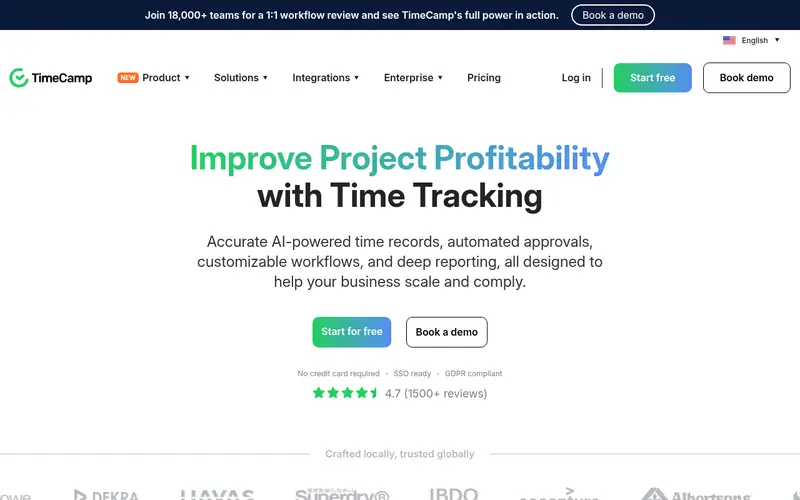
TimeCamp records time automatically in the background and also accepts manual timesheet entries. For a botanical garden that must report hours against grants or departmental budgets, the budget and cost reports help show where time went. Projects can be split by funder or cost center. The free plan covers basic tracking but limits some reporting and integration features. Automatic capture may not suit every workplace, so managers should set clear rules. Gardens that need detailed grant reporting should check which paid tier includes the reports they need.

Free plan: Yes

Website: timecamp.com

Strengths

  • Automatic time capture alongside manual timesheets
  • budget and cost reports

Watch out for

  • Automatic tracking can be intrusive for some staff
  • free plan has feature limits

Which timesheet software for botanical gardens should I use if my team is mostly volunteers?

Clockify is the usual choice for volunteer-heavy gardens because its free plan allows unlimited users. If you also schedule shifts, Homebase covers scheduling and timesheets on one free plan. If you bill clients for venue hire, Harvest links hours to invoices. If you need hours to feed payroll for paid seasonal staff, QuickBooks Time is the better fit.

Is Clockify better than Harvest for timesheet software for botanical gardens?

Clockify is better for gardens that need a free plan with unlimited users and do not bill clients. Harvest is better when hours must become invoices for venue hire or consulting, since it combines timesheets with billing. Harvest starts at $12 per seat per month and has no free plan, while Clockify has a free tier.

Pre-purchase checklist

  • Confirm whether volunteers need logins and whether the plan charges per seat or allows unlimited users.
  • Check that hours can be split by project, grant or cost center for funder reporting.
  • Decide whether timesheets must feed payroll, and confirm the payroll integration works with your accounting software.
  • Test the mobile clock-in if staff work across greenhouses, remote plots or off-site conservation sites.
  • Review free plan limits on seats, reports and history before relying on a free tier.

FAQ

What is the best timesheet software for botanical gardens with volunteers?

Clockify is a common fit because its free plan allows unlimited users, so volunteers can log hours without per-seat cost. Homebase is an alternative when scheduling matters as much as time tracking. Confirm current free plan limits on each vendor site, since terms can change.

Can timesheet software track hours by grant or cost center?

Yes. Clockify, Harvest, TimeCamp and ClockShark all support projects or job codes that can represent grants or cost centers. Reports then summarize hours by that code. Check which plan tier includes the reporting you need, because some reports sit on paid tiers.

Do botanical gardens need payroll integration in timesheet software?

Only if paid staff hours must flow into pay runs. QuickBooks Time and Homebase both connect timesheets to payroll. Gardens that run on volunteers and salaried staff may not need it and can use a simpler, cheaper tool.

Is there free timesheet software for small gardens?

Yes. Clockify, Toggl Track, Homebase and TimeCamp all offer free plans with limits on seats or features. A small garden can often start free and upgrade only when reporting or payroll needs grow. Check each vendor's current free plan terms.

How much does timesheet software for a botanical garden cost?

Entry prices vary by tool and seat count. Harvest publishes a starting price of $12 per seat per month. Other vendors list prices on their own pages, and several offer free plans. Confirm current pricing on the vendor site before buying, since prices change.