How we rank
HR and Workforce · Researched comparison

Best Timesheet Software for Lighting Technicians in 2026

TaskReports may earn a fee from some links on this page, and some placements are paid and labelled. Neither one decides the order. See our disclosure.

The short answer

QuickBooks Time is the first pick for lighting technicians who clock in at different venues and need hours tied to jobs and payroll. It handles GPS clock-in and job costing. For a low-cost option, Clockify offers a free plan and paid plans from $4.99 per user per month. For freelance designers who bill clients directly, Harvest pairs timesheets with invoicing from $12 per seat per month.

On this page

Key takeaways

  • QuickBooks Time suits lighting techs who need GPS clock-in at venues and job costing, at $20 per user per month plus tax.
  • Clockify has a free plan for solo techs and small crews, with paid plans from $4.99 per user per month.
  • Hubstaff tracks hours, activity and screenshots for remote prep work, from $4.99 per seat per month.
  • Harvest combines timesheets and invoicing for freelance lighting designers, at $12 per seat per month.

Quick comparison

ToolBest fitStarting price
QuickBooks TimeCrews clocking in at multiple venues with GPS$20 per user per month plus tax
ClockifySolo techs and small crews on a budget$4.99 per user per month
HubstaffRemote prep and design work with activity tracking$4.99 per seat per month
HarvestFreelance lighting designers who invoice clients$12 per seat per month
Toggl TrackSimple time capture across events and clients$9 per user per month
TimeCampAutomatic time capture on design and office workSee vendor pricing page
PaymoSmall lighting shops that bill by the projectSee vendor pricing page

How we chose

We picked tools that record hours for lighting work, whether that means on-site clock-in, project time or client billing. Criteria were fit for the use case, published entry price, free access and main limits. Sources are vendor websites and public documentation. Prices change, so confirm the current price on the vendor site before buying.

Best overall

QuickBooks Time

Crews clocking in at multiple venues with GPS

  • GPS clock-in with location records
  • job and project codes on timesheets
Price$20 per user per month plus tax
See QuickBooks Time pricing
quickbooks.intuit.comHomepage, Nov 2026
QuickBooks Time homepage

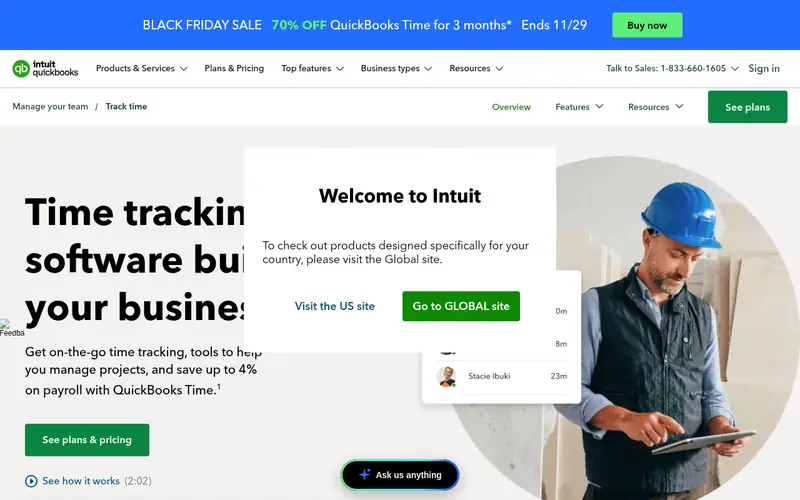
QuickBooks Time records when and where a lighting technician clocks in. That matters when a crew moves between venues in one day. Each entry can carry a job or service item code, so hours roll up by event or client. GPS stamps and geofencing help confirm a tech was on site. The base plan is $20 per user per month plus tax. Payroll and benefits features sit in higher tiers. The 30-day trial lets a small shop test the mobile app before committing. Skip it if you only need simple manual time entry and want to avoid per-user fees.

Price: $20 per user per month plus tax

Free plan: Free trial (30 days)

Website: quickbooks.intuit.com/time-tracking

Watch out for

  • Per-user pricing adds up for large crews
  • payroll add-ons cost extra
2

Clockify

Solo techs and small crews on a budget
$4.99 per user per month
clockify.meHomepage, Nov 2026
Clockify homepage

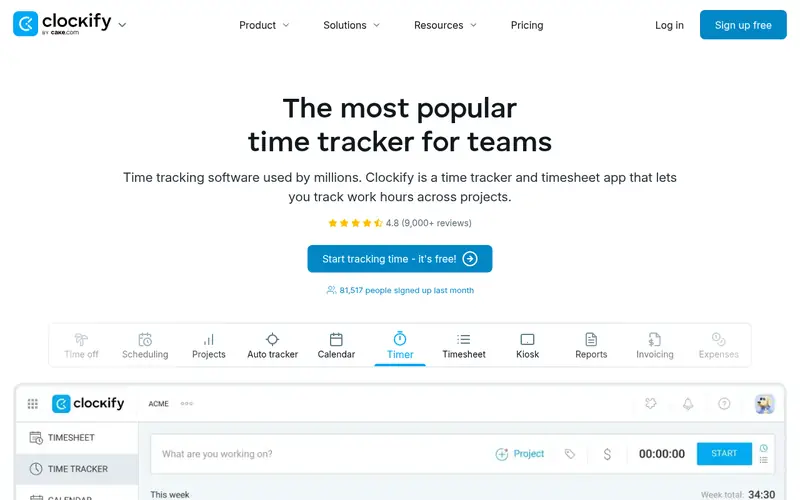
Clockify's free plan covers unlimited users and unlimited tracked time, which suits a lighting technician who works alone or with a small crew. You can tag entries with projects, clients and tasks, so hours split cleanly between a load-in, a show day and a load-out. Paid plans start at $4.99 per user per month and add billable rates, invoicing and approvals. The mobile app works offline, which helps in venues with weak signal. It does not run payroll, so pair it with a payroll service if you need one.

Free plan: Yes

Website: clockify.me

Strengths

  • Free plan with unlimited users and tracked time
  • project and client rates

Watch out for

  • Advanced features sit behind paid tiers
  • no built-in payroll
3

Hubstaff

Remote prep and design work with activity tracking
$4.99 per seat per month
hubstaff.comHomepage, Nov 2026
Hubstaff homepage

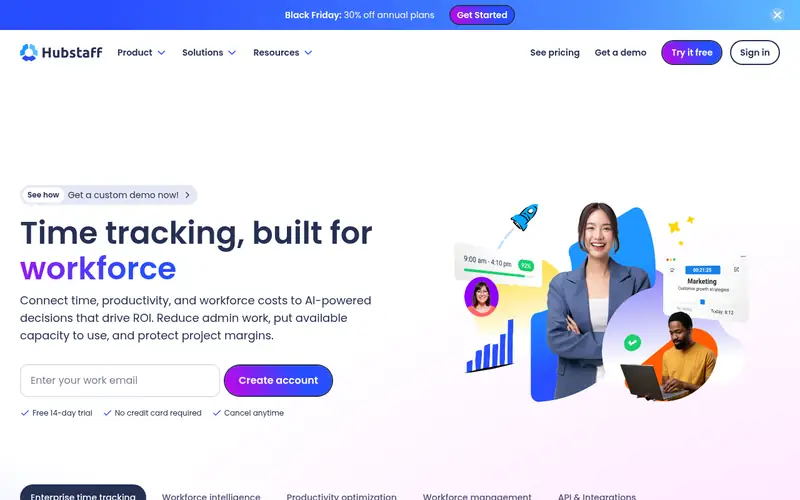
Hubstaff tracks hours with optional activity levels and screenshots. That fits lighting technicians who do remote prep, such as plotting or paperwork, and want proof of billable time. Projects can carry budgets and time limits, so you see when a job runs over. Plans start at $4.99 per seat per month. The 14-day trial covers the main features. Screenshot tracking is optional but may not suit every crew, so check the settings before rolling it out.

Free plan: Free trial (14 days)

Website: hubstaff.com

Strengths

  • Activity and screenshot tracking
  • project budgets and limits

Watch out for

  • Screenshot tracking can feel intrusive
  • per-seat cost for larger teams
4

Harvest

Freelance lighting designers who invoice clients
$12 per seat per month
getharvest.comHomepage, Nov 2026
Harvest homepage

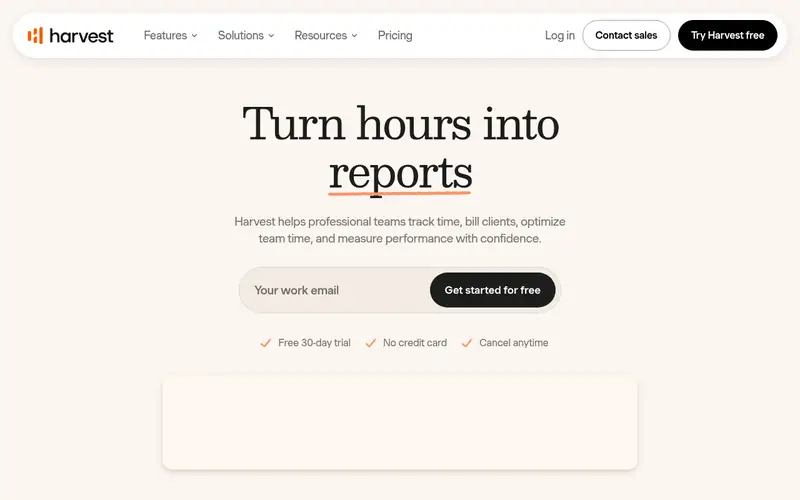
Harvest pairs time tracking with invoicing. A freelance lighting designer can log hours per client and project, then send an invoice from the same tool. Budget and retainer tracking show how much of a fixed fee is used. Plans start at $12 per seat per month, with a 30-day trial. It has no GPS or location features, so it suits office and design work more than on-site crew clock-in. Crews that need location records should look at QuickBooks Time instead.

Free plan: Free trial (30 days)

Website: getharvest.com

Strengths

  • Timesheets and invoicing in one tool
  • retainer and budget tracking

Watch out for

  • No GPS or location tracking
  • per-seat pricing
5

Toggl Track

Simple time capture across events and clients
$9 per user per month
toggl.comHomepage, Nov 2026
Toggl Track homepage

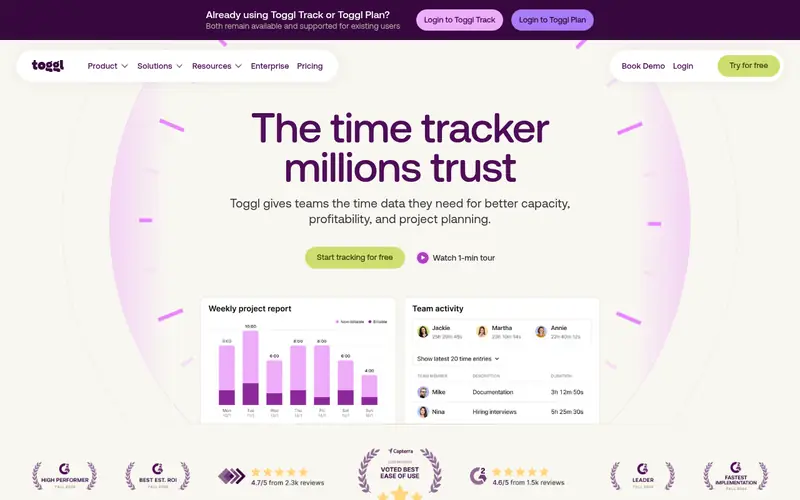
Toggl Track uses one-click timers and tags. A lighting technician can start a timer per event, tag it by client and add notes. The free plan covers up to 5 users, which fits a small crew. Paid plans start at $9 per user per month and add more reporting and billable rates. It does not handle payroll or GPS. It is a good fit for techs who want fast time capture and will export hours to another system for billing.

Free plan: Yes

Website: toggl.com/track

Strengths

  • Free plan for up to 5 users
  • one-click timers and tags

Watch out for

  • Limited free users
  • reporting depth needs paid plans
6

TimeCamp

Automatic time capture on design and office work
See vendor pricing page
timecamp.comHomepage, Nov 2026
TimeCamp homepage

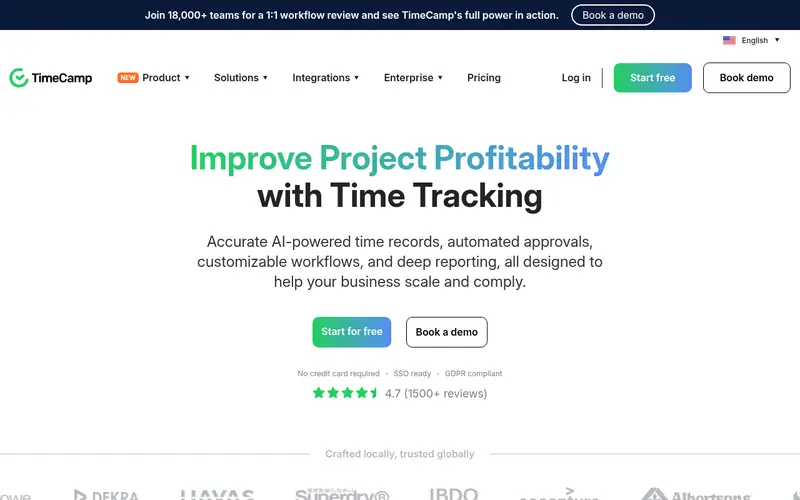
TimeCamp can track time automatically based on the apps and documents in use, which helps with design and paperwork hours. Manual timers and project budgets are also available. The free plan covers basic tracking for a small team. Pricing depends on the feature tier, so check the vendor page before buying. It is less useful for on-site clock-in, since it has no GPS. Lighting technicians who mostly work at a desk between shows may find it a good fit.

Free plan: Yes

Website: timecamp.com

Strengths

  • Automatic time tracking by app and task
  • project budgets

Watch out for

  • Automatic tracking suits desk work more than site work
  • pricing tiers vary by feature
7

Paymo

Small lighting shops that bill by the project
See vendor pricing page
paymoapp.comHomepage, Nov 2026
Paymo homepage

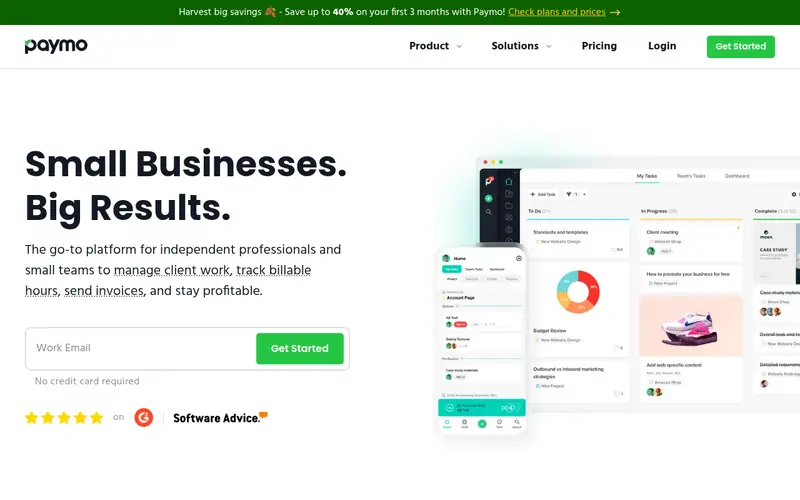
Paymo combines timesheets, task management and invoicing. A small lighting shop can plan a project, log hours against tasks and invoice the client. Budget tracking shows whether a job is on track. The free plan limits active users and features, and paid tiers vary by size, so confirm on the vendor page. It has no GPS clock-in. It suits shops that want one tool for project work and billing rather than separate systems.

Free plan: Yes

Website: paymoapp.com

Strengths

  • Timesheets, tasks and invoicing in one place
  • project budgets

Watch out for

  • Free plan limits active users and features
  • pricing tiers vary

Which timesheet software for lighting technicians should I use if I work at a different venue every day?

Use QuickBooks Time, because its GPS clock-in records where each shift starts and ends. If you work alone and want a free start, Clockify covers unlimited users and tracked time on its free plan. If you bill clients directly, Harvest pairs hours with invoices. If you need proof of remote prep time, Hubstaff adds activity tracking. If you want the simplest timer, Toggl Track is a light option.

Is QuickBooks Time better than Clockify for timesheet software for lighting technicians?

QuickBooks Time is better for crews that move between venues and need GPS records and job codes. Clockify is better for solo techs and small crews that want a free plan and low per-user pricing. QuickBooks Time starts at $20 per user per month plus tax. Clockify paid plans start at $4.99 per user per month.

Pre-purchase checklist

  • Confirm the app works offline, since venue signal can be weak.
  • Check whether GPS or location records are needed for crew verification.
  • Confirm job or project codes can split hours between load-in, show and load-out.
  • Check whether the tool handles invoicing or needs a separate billing app.
  • Compare per-user pricing against your typical crew size.

FAQ

What is the best timesheet software for lighting technicians who work at different venues?

QuickBooks Time is a strong fit because it records GPS clock-in and ties hours to jobs. Clockify is a lower-cost option with a free plan. Harvest suits freelance designers who invoice clients. The right choice depends on whether you need location records, client billing or a free start.

Does Clockify have a free plan for lighting crews?

Yes. Clockify's free plan covers unlimited users and unlimited tracked time, with projects, clients and tasks. Paid plans start at $4.99 per user per month and add billable rates, invoicing and approvals. It does not run payroll, so pair it with a payroll service if needed.

Can I track hours for a single event across load-in, show and load-out?

Yes. Tools with project and task codes, such as QuickBooks Time, Clockify and Paymo, let you split hours by phase. That keeps event costs clear and helps when you invoice a client or review a budget after the show.

Which tools work without a signal in a venue?

Clockify's mobile app works offline, and QuickBooks Time's mobile app records clock-ins that sync later. Check each vendor's current mobile documentation before relying on offline mode, since app behavior can change between versions.

Do these tools handle invoicing as well as timesheets?

Harvest and Paymo combine timesheets and invoicing. Clockify and Toggl Track add invoicing on paid plans. QuickBooks Time focuses on time and payroll and pairs with QuickBooks for billing. Hubstaff and TimeCamp focus on time tracking.