How we rank
HR and Workforce · Researched comparison

Best Timesheet Software for Museums in 2026

TaskReports may earn a fee from some links on this page, and some placements are paid and labelled. Neither one decides the order. See our disclosure.

The short answer

Clockify is the best starting point for most museums. It has a free plan with unlimited users, and it tracks hours by project, which fits grant reporting and departmental budgets. Harvest is a better fit for museums that invoice for project work, such as exhibition design or venue hire, because it links tracked hours to client billing. Homebase suits museums that need shift scheduling for front-of-house staff and volunteers alongside time tracking.

On this page

Key takeaways

  • Clockify is the first pick for most museums because it has a free plan with unlimited users and tracks hours by project and client.
  • Harvest suits museums that bill project hours, with a published entry price per seat.
  • Homebase fits museums that schedule visitor services staff and volunteers by shift.
  • Prices and free plan limits change, so confirm them on each vendor's pricing page before buying.

Quick comparison

ToolBest fitStarting price
ClockifyFree hourly tracking across departments and grant projectsSee vendor pricing page
HarvestMuseums that invoice for project and venue hire hoursSee vendor pricing page
HomebaseShift scheduling and time clocks for visitor services teamsSee vendor pricing page
Toggl TrackSimple project time tracking for curatorial and research teamsSee vendor pricing page
QuickBooks TimeMuseums that already run payroll in QuickBooksSee vendor pricing page
ClockSharkField and facilities crews that move between sitesSee vendor pricing page
HubstaffRemote and contract staff who need activity-based time recordsSee vendor pricing page
Buddy PunchSmall museums that need a simple shared time clockSee vendor pricing page

How we chose

We picked tools that support hourly tracking, project or grant reporting, scheduling or payroll links, and that publish pricing or a free plan. We checked each vendor's official site and public documentation for plan structure and limits. We did not run hands-on tests or collect user reviews. Prices and free plan limits change, so confirm current terms on the vendor's pricing page before you buy.

Best overall

Clockify

Free hourly tracking across departments and grant projects

  • Free plan with unlimited users
  • tracks hours by project, client and task
PriceSee vendor pricing page
See Clockify pricing
clockify.meHomepage, Nov 2026
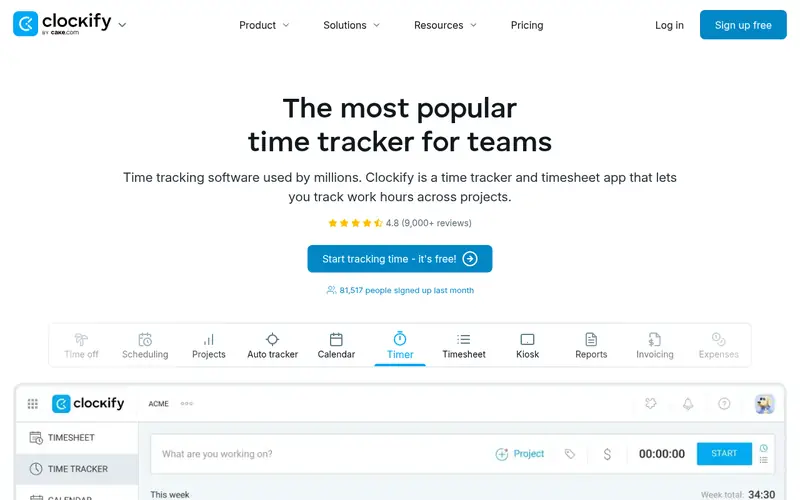
Clockify homepage

Clockify is a time tracking tool built around projects, clients and tasks. A museum can set up a project for each exhibition, education program or grant, then assign staff to log hours against it. The free plan covers unlimited users and unlimited tracking, which suits museums with many part-time staff and volunteers. Paid plans add features such as invoicing and more detailed reporting. For museums, the main value is separating grant-funded hours from general operating hours. Reports can be filtered by project, team member or date range, which helps when a funder asks for a time record. The tool also supports timesheet approval, so a department head can review hours before they go to finance. Skip Clockify if you need built-in payroll processing or shift scheduling as the primary feature. It is a time tracking tool first, and scheduling and payroll sit on higher plans or outside the product.

Price: See vendor pricing page

Free plan: Yes

Website: clockify.me

Watch out for

  • Advanced reporting sits on paid plans
  • interface takes setup time
2

Harvest

Museums that invoice for project and venue hire hours
See vendor pricing page
getharvest.comHomepage, Nov 2026
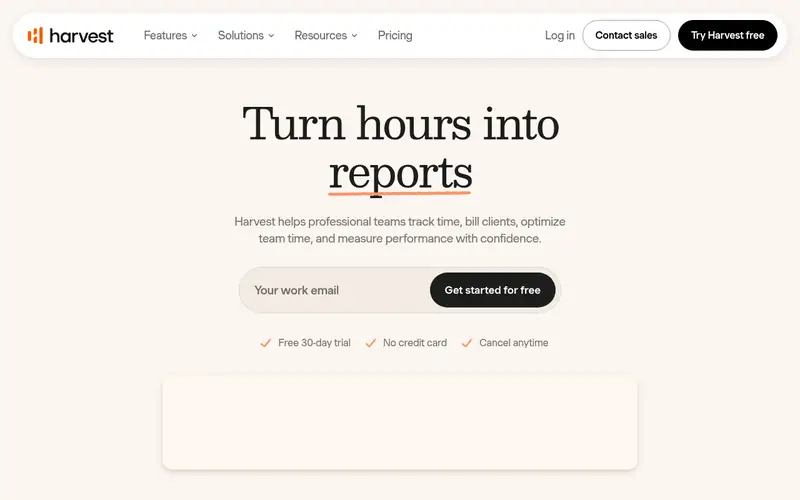
Harvest homepage

Harvest is a time tracking and invoicing tool. It fits museums that charge for services, such as venue hire, photography requests, research work or design services for other institutions. Staff log hours against a project, and those hours flow into an invoice with rates and expenses. The project budget view shows hours used against hours estimated, which helps managers catch overruns on grant-funded or fee-based work. Harvest also integrates with common accounting and project tools, so finance teams can keep one record. Harvest is not designed for volunteer scheduling or shift rosters. Museums with a large unpaid or shift-based workforce should look at a scheduling tool first and treat Harvest as a billing add-on for fee-earning work.

Free plan: Free trial (30 days)

Website: getharvest.com

Strengths

  • Ties tracked hours to client invoices
  • clear project budget tracking

Watch out for

  • Per-seat pricing adds up for large teams
  • no free plan after the trial
3

Homebase

Shift scheduling and time clocks for visitor services teams
See vendor pricing page
joinhomebase.comHomepage, Nov 2026
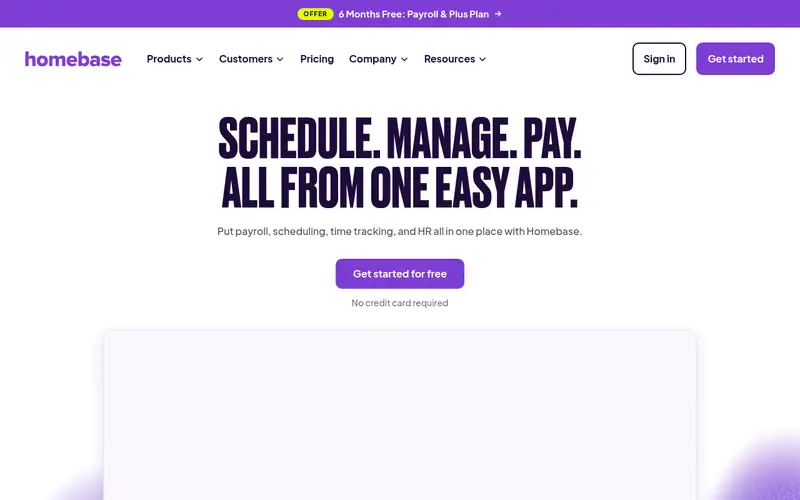
Homebase homepage

Homebase combines employee scheduling, time clocks and basic HR tools. It suits museums that run shifts for front-of-house, security, retail and events staff. Managers build a schedule, staff clock in on a phone or shared device, and hours feed into timesheets. The free plan covers one location with scheduling and time tracking for a small team, which fits small museums and historic houses. Larger sites with multiple locations or payroll needs move to paid plans. Homebase is weaker for grant reporting and project cost analysis. A museum that needs hours split by funder or exhibition should pair it with a project-based tracker or choose a tool with stronger project reporting.

Free plan: Yes

Website: joinhomebase.com

Strengths

  • Free plan covers scheduling and basic time tracking
  • mobile clock in and out

Watch out for

  • Payroll and hiring tools cost extra
  • reporting is lighter than dedicated time tools
4

Toggl Track

Simple project time tracking for curatorial and research teams
See vendor pricing page
toggl.comHomepage, Nov 2026
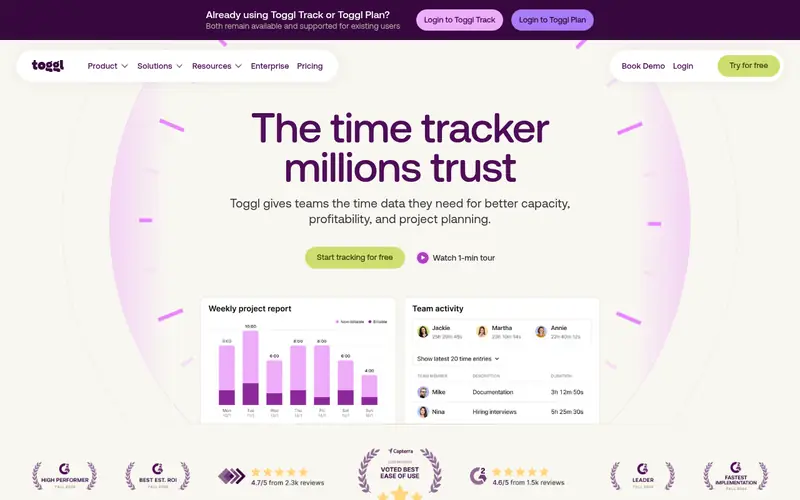
Toggl Track homepage

Toggl Track is a lightweight time tracking tool. Staff start a timer, pick a project, and the entry is saved. Reports group hours by project, client, tag or team member, which helps curatorial, conservation and research teams show how time was spent. The free plan covers a small team and basic tracking. Paid plans add billable rates, more report options and project estimates. For a museum, tags can mark grant codes or funding sources, so the same time entry supports both internal budgets and external reporting. Toggl Track does not handle shift scheduling, payroll or volunteer rosters. It is best as a focused time capture tool for staff who work on multiple projects and need a simple record.

Free plan: Yes

Website: toggl.com/track

Strengths

  • Fast one-click timer
  • reports by project, client and tag

Watch out for

  • Free plan limits some report features
  • no built-in scheduling
5

QuickBooks Time

Museums that already run payroll in QuickBooks
See vendor pricing page
quickbooks.intuit.comHomepage, Nov 2026
QuickBooks Time homepage

QuickBooks Time is a time tracking and scheduling tool from Intuit. It fits museums that already use QuickBooks for payroll or accounting, because approved timesheets move into payroll without re-entry. Staff can clock in from a phone or kiosk, and managers approve hours before payroll runs. Job costing and project codes let a museum split hours between departments, grants or cost centers. Scheduling and geofencing sit on higher plans. Museums outside the QuickBooks ecosystem get less value, since the main benefit is the payroll link. Small museums with simple needs may find the paid-only structure harder to justify than a free tracker.

Free plan: Free trial (30 days)

Website: quickbooks.intuit.com/time-tracking

Strengths

  • Connects time tracking to QuickBooks payroll
  • GPS and job costing on higher plans

Watch out for

  • Best value only inside the QuickBooks ecosystem
  • no free plan
6

ClockShark

Field and facilities crews that move between sites
See vendor pricing page
ClockSharkHomepage image unavailable

ClockShark is time tracking built for mobile and field crews. It fits museums with facilities, maintenance or outreach teams that work across buildings, storage sites or off-site events. Staff clock in on a phone, and the entry records the location and the job. Managers assign hours to jobs and tasks, which maps to maintenance work orders or event setups. Timesheets can be approved and exported to payroll or accounting. ClockShark is not aimed at office-based curatorial or administrative staff, and it has no free plan. A museum should use it only where a mobile crew needs location-based time records.

Free plan: Free trial (14 days)

Website: clockshark.com

Strengths

  • Mobile GPS clock in for off-site work
  • job and task codes

Watch out for

  • No free plan
  • built for field service rather than office teams
7

Hubstaff

Remote and contract staff who need activity-based time records
See vendor pricing page
hubstaff.comHomepage, Nov 2026
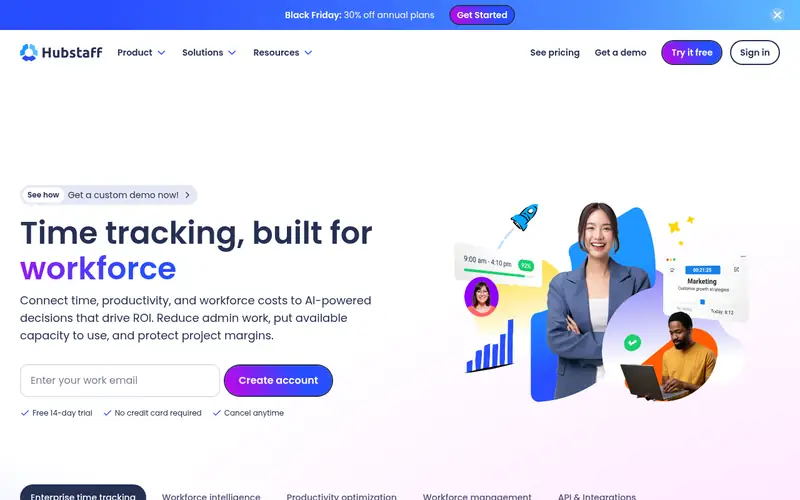
Hubstaff homepage

Hubstaff is a workforce management tool with time tracking, scheduling and project budgets. It fits museums that manage remote contractors, such as freelance educators, digital teams or grant-funded researchers who work off-site. The tool records time against projects and tasks, and optional features capture activity levels and screenshots. Project budgets show hours and spend against plan, which helps when a grant has a fixed hour cap. The monitoring features need clear internal policy and staff agreement. Museums with a strong privacy stance or union agreements may prefer a plain timer such as Toggl Track.

Free plan: Free trial (14 days)

Website: hubstaff.com

Strengths

  • Time tracking with optional activity and screenshot records
  • project budgets

Watch out for

  • Activity monitoring can feel intrusive
  • no free plan
8

Buddy Punch

Small museums that need a simple shared time clock
See vendor pricing page
Buddy PunchHomepage image unavailable

Buddy Punch is a time clock tool for small teams. It fits small museums, historic houses and volunteer-run sites that need one shared device where staff clock in and out with a PIN, QR code or photo. Managers review hours, fix missed punches and export timesheets for payroll. The setup is quick, and the product does not require staff to install an app. Buddy Punch is not a project or grant reporting tool. Museums that need hours split by funder, exhibition or department should use it only for attendance and pair it with a project tracker.

Free plan: Free trial (14 days)

Website: buddypunch.com

Strengths

  • Simple clock in and out with PIN or photo
  • works on a shared tablet

Watch out for

  • No free plan
  • project reporting is basic

Pre-purchase checklist

  • Confirm the free plan limits, including user count and report access, before you commit.
  • Check whether hours can be split by grant, funder or exhibition, since this is the most common museum reporting need.
  • Ask whether volunteer hours can be tracked separately from paid staff hours.
  • Confirm how timesheets export to your payroll or accounting system.
  • Check the vendor's data retention and privacy terms if you track remote or contractor staff.

FAQ

What is the best free timesheet software for a museum?

Clockify has a free plan with unlimited users and project-based tracking, which suits museums with many part-time staff. Homebase also has a free plan for scheduling and basic time tracking at one location. Confirm current limits on each vendor's pricing page.

Can timesheet software track grant-funded hours separately?

Yes. Tools such as Clockify, Harvest and Toggl Track let you tag or assign hours to a project, client or code. A museum can create one project per grant and pull a report by date range when a funder asks for a time record.

Does timesheet software handle volunteer hours?

Some tools do, but not all. Clockify's unlimited-user free plan can include volunteers as users, and Homebase can schedule them as staff. Check each vendor's terms, because some products price per seat and treat every user as a paid employee.

Do museums need scheduling as well as time tracking?

Museums with shift-based front-of-house, security or events staff benefit from scheduling. Homebase and QuickBooks Time combine scheduling with time tracking. Museums with mostly project-based office work can use a tracker such as Toggl Track without scheduling.

How much does timesheet software for museums cost?

Costs vary by plan and user count. Clockify and Homebase have free plans, and paid plans start at published per-user rates. Harvest, QuickBooks Time, ClockShark, Hubstaff and Buddy Punch are paid products with free trials. Check each vendor's pricing page for current rates.