Data and Analytics · Researched comparison

Shortlist: 5 Best Big Data Analytics Software Options for 2026

TaskReports may earn a fee from some links on this page, and some placements are paid and labelled. Neither one decides the order. See our disclosure.

The short answer

For cloud data warehousing, Snowflake is where this list starts. For a different need, Cloudera covers hybrid enterprise data product and Google BigQuery covers serverless GCP analytics. Details, prices and limits for the rest of the 5 tools are below.

On this page

Key takeaways

  • The list opens with Snowflake, aimed at cloud data warehousing.
  • Neither Snowflake nor Databricks, nor any of the other 3 tools, has a permanent free plan; trials and quotes are the norm.
  • For lakehouse analytics and AI, Databricks is worth a look.
  • Pricing across the list, from Snowflake to Databricks, is by quote only.

Quick comparison

ToolBest fitKey limitationEntry priceFree access
---------------
SnowflakeCloud data warehousingCosts can surpriseSee websiteNot stated
ClouderaHybrid enterprise data productComplexitySee websiteNot stated
Google BigQueryServerless GCP analyticsGCP-centricSee websiteNot stated
Palantir FoundryOperational decision productExpensiveSee websiteNot stated
DatabricksLakehouse analytics and AIComplexitySee websiteNot stated

How we chose

The comparison looks at four things: starting price, free access, how well the feature set matches big data analytics software, and the main limit of each tool. Where a price is missing, the vendor does not list one publicly or ties it to a quote. Always confirm before budgeting. The order reflects how well each tool fits the most common buying scenario for big data analytics software, then price clarity, then free plan access. It is a starting point, not a verdict.

★ Best overall

Snowflake

Cloud data warehousing

  • SQL simplicity
  • Data sharing
PriceSee website
See Snowflake pricing

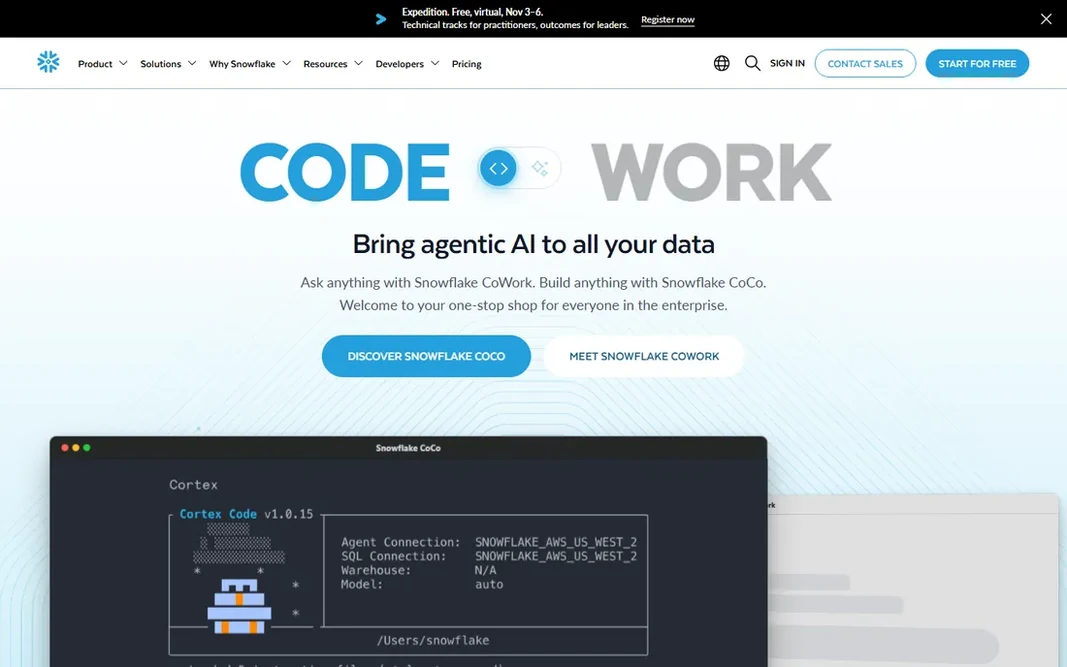
Snowflake targets cloud data warehousing. Snowflake reinvented the data warehouse for cloud: separation of storage and compute, instant scaling, and data sharing that makes collaboration easy. Analysts write SQL; the system takes care of infrastructure. Costs can surprise without governance. Worth adding: data marketplaces and clean rooms rely on this capability. Check the vendor site for Snowflake pricing; none is listed in this comparison. Trial and free access: Not stated. Honest limits: Less for streaming ML.

Price: See website

Free plan: Not stated

Website: snowflake.com

Watch out for

  • Costs can surprise
2

Cloudera

Hybrid enterprise data product
See website

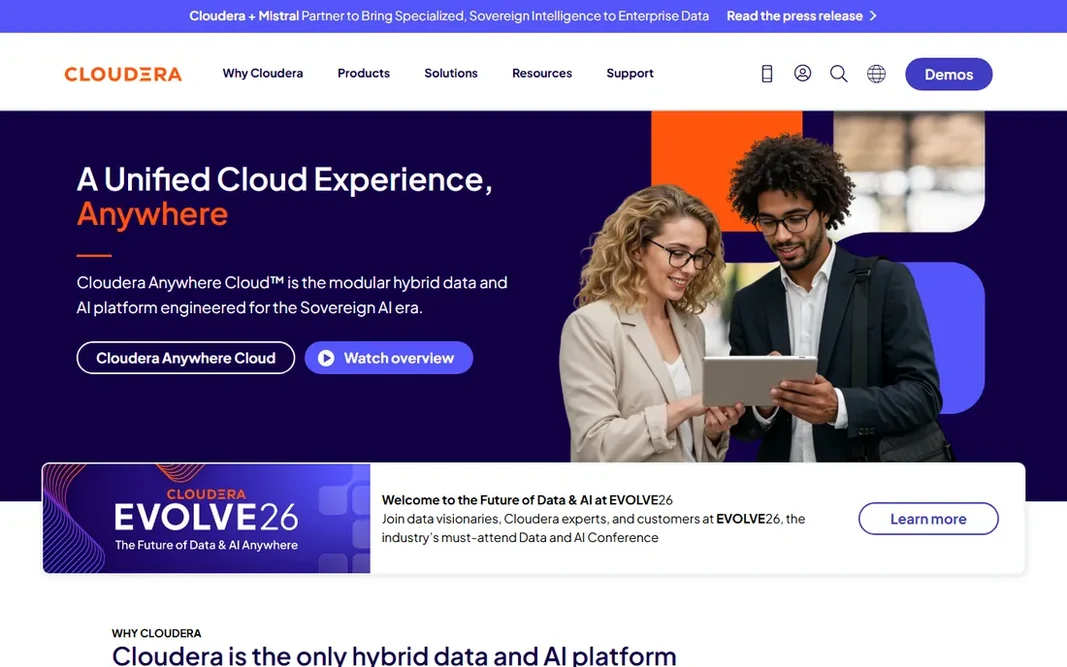
Where Cloudera fits: hybrid enterprise data product. Data sovereignty requirements and existing infrastructure investments make hybrid a long-term reality, not a transition phase. For everyday use, regulated enterprises needing hybrid deployment find capable fit. Organizations that cannot move everything to public cloud find its hybrid capabilities essential. Also, plan accordingly instead of assuming eventual full cloud migration. Complexity is significant; the Hadoop legacy lingers in perception. But for hybrid enterprise data systems with solid governance, Cloudera gives. This comparison lists no price for Cloudera; ask the vendor. Free plan details: Not stated. Honest limits: Legacy perception.

Free plan: Not stated

Website: cloudera.com

Strengths

  • Full suite
  • Hybrid cloud

Watch out for

  • Complexity
3

Google BigQuery

Serverless GCP analytics
See website

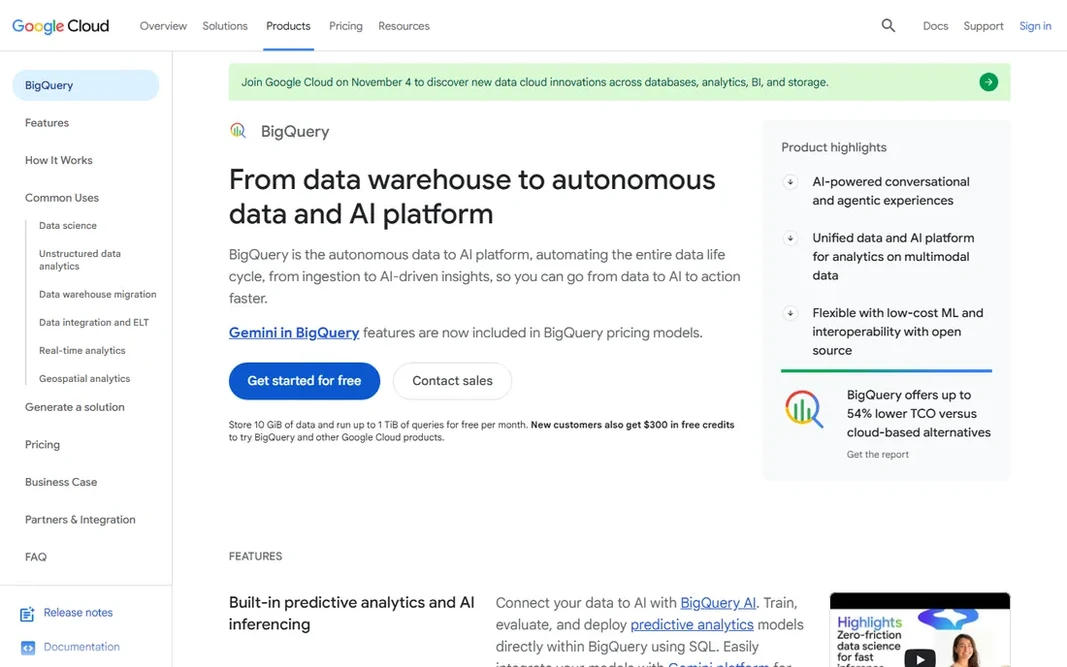
Google BigQuery is designed for serverless GCP analytics. Google BigQuery is serverless data warehousing: petabyte-scale SQL analytics with no infrastructure to handle, deeply integrated with Google Cloud. Query costs need monitoring to avoid surprises. Watch-outs: GCP-centric. The integration with Google's AI and ML services layers on value for teams building intelligent applications. The free level is ample for getting started. Check the vendor site for Google BigQuery pricing; none is listed in this comparison. Free access: Not stated.

Free plan: Not stated

Website: cloud.google.com/bigquery

Strengths

  • GCP integration
  • Ample free level

Watch out for

  • Query costs need monitoring
4

Palantir Foundry

Operational decision product
See website

Palantir Foundry was built for operational decision system. Palantir Foundry builds operational digital twins: an ontology layer connecting data to real-world operations, enabling complicated organizations to make data-driven decisions. Points against: Pricey. From a buyer's view, pricing is premium and implementations are heavy. Government and large enterprises run critical operations on it. Palantir Foundry shows no starting price here, so confirm the cost on the vendor site. On free options: Not stated.

Free plan: Not stated

Website: palantir.com

Strengths

  • Capable for complicated orgs
  • Ontology-driven

Watch out for

  • Implementation heavy
5

Databricks

Lakehouse analytics and AI
See website

Where Databricks fits: lakehouse analytics and AI. Data engineers, analysts, and data scientists collaborate in one environment. Worth adding: the ecosystem is vast, spanning ingestion to BI. The main drawbacks: Costs need management. Also, starting with governance in place is simpler than retrofitting it later. From a buyer's view, complexity is real and costs need active management. But for organizations unifying analytics and AI on open standards, Databricks is the leader. Its Unity Catalog gives you governance across data and AI assets, addressing enterprise requirements for security and compliance. Databricks does not show a starting price in this comparison, so check the vendor site for current pricing. Free plan details: Not stated.

Free plan: Not stated

Website: databricks.com

Strengths

  • Spark heritage
  • Solid ecosystem

Watch out for

  • Complexity

FAQ

What does big data analytics software cost?

Consumption-based pricing is standard: you pay for compute and storage used. FinOps practices for data systems are now a discipline in their own right. Dedicated cost monitoring, chargeback models, and optimization reviews prevent the bill shock that derails data initiatives.

Do these tools publish their prices?

No. None of the tools, from Snowflake to Databricks, shows a fixed starting price here, so budget time for quotes.

Can I try these options before paying?

Not by default. None of the tools, from Snowflake to Databricks, lists a free plan or a free trial here, so ask each vendor for a demo before committing.

What is big data analytics software?

Platforms for storing, processing, and analyzing large datasets: data warehouses, lakehouses, and distributed query engines that manage volumes beyond traditional databases. They power business intelligence, data science, and AI at scale. That evolution continues: the current frontier is unifying batch, streaming, and AI workloads on shared infrastructure.

Does any tool for big data analytics software here have a free plan?

No tool in this list, Snowflake and Databricks included, has a permanent free plan. Trials and quotes are the usual route, so plan a short evaluation period.

Is Snowflake the right pick for everyone comparing big data analytics software?

No single tool suits every team. Snowflake comes first because it fits cloud data warehousing, while Cloudera suits hybrid enterprise data platform and Google BigQuery suits serverless GCP analytics. Match the tool to your own size, budget and workflow before deciding.