
Productivity · Researched comparison

Choosing Cloud Storage Software in 2026: 8 Platforms Compared

TaskReports may earn a fee from some links on this page, and some placements are paid and labelled. Neither one decides the order. See our disclosure.

The short answer

This list puts pCloud first for lifetime plans and privacy choices. Dropbox is the stronger choice for dependable cross-platform file sync, while Box suits businesses needing governance with storage. Prices, free plans and limits for all 8 tools follow.

On this page

Key takeaways

  • pCloud is the opening pick, best for lifetime plans and privacy choices.
  • No starting price is shown for any of the 8 tools, pCloud and OneDrive included, so plan time for sales calls.
  • Free access is easy to find: 7 of the 8 tools have a free plan, for example pCloud, Dropbox, Box and Sync.com.
  • The main caution on Sync.com: slower sync than Dropbox.

Quick comparison

ToolPrice fromFree optionDomain
------------
pCloudSee websiteYespcloud.com
DropboxSee websiteYesdropbox.com
BoxSee websiteYesbox.com
Sync.comSee websiteYessync.com
iCloudSee websiteYesicloud.com
Google DriveSee websiteYesdrive.google.com
BackblazeSee websiteFree trialbackblaze.com
OneDriveSee websiteYesonedrive.com
★ Best overall

pCloud

Lifetime plans and privacy choices

  • One-time lifetime plans
  • Optional client-side encryption
PriceSee website
See pCloud pricing

pCloud is designed for lifetime plans and privacy choices. The optional Crypto folder brings client-side encryption for the privacy-minded. Downsides: Encryption costs additional. The encryption add-on costs additional, which feels like privacy should not. Check the vendor site for pCloud pricing; none is listed in this comparison. pCloud has a free plan.

Price: See website

Free plan: Yes

Website: pcloud.com

Watch out for

  • Smaller company
2

Dropbox

Steady cross-platform file sync
See website

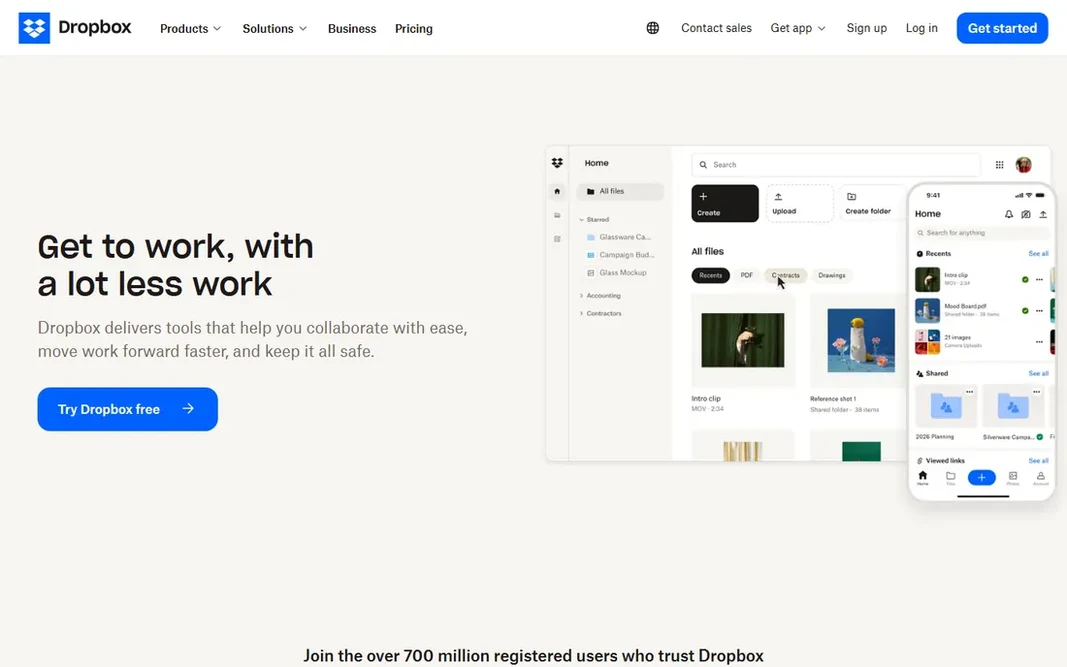
Dropbox serves reliable cross-platform file sync. The integrations with every productivity tool make it the Switzerland of storage. More specifically, the price per gigabyte is high compared with Google and Microsoft bundles, and the free tier is stingy. Points against: Costly per gigabyte. But for teams where sync reliability is the job, Dropbox earns its premium. Dropbox invented this category and still syncs better than anyone: quick, steady, conflict-smart sync across every product. This comparison lists no price for Dropbox; ask the vendor. You can start on Dropbox without paying.

Free plan: Yes

Website: dropbox.com

Strengths

  • Solid external integrations
  • Excellent shared folders

Watch out for

  • Free level is small
3

Box

Firms needing governance with storage
See website

Box makes the most sense for companies needing governance with storage. Regulated industries and large teams standardize on it. Worth adding: Box is cloud storage for grown-up firms: the sharing and collaboration people like, under the security, compliance and admin controls IT needs. What to check first: Priced for business. From a buyer's view, personal users should look elsewhere; the pricing and positioning are business-first. But for firms needing storage with governance, Box is the modern enterprise choice. No starting price is listed for Box here; confirm pricing on the vendor site. Box includes a free tier.

Free plan: Yes

Website: box.com

Strengths

  • Enterprise security and compliance
  • Excellent collaboration

Watch out for

  • Overkill for personal use
4

Sync.com

Zero-knowledge privacy by default
See website

Sync.com serves zero-knowledge privacy by default. Sync.com encrypts everything client-side by default: the company cannot read your files, period. On top of that, plans are budget-friendly, and the free tier is usable. But for users whose threat model comes with the storage provider itself, Sync.com's zero-knowledge design is the answer. Beyond that, Canadian jurisdiction brings privacy-friendly legal protection. Sync.com shows no starting price here, so confirm the cost on the vendor site. Sync.com includes a free tier. Drawbacks to consider: Fewer integrations.

Free plan: Yes

Website: sync.com

Strengths

  • End-to-end encryption standard
  • Canadian privacy laws

Watch out for

  • Slower sync than Dropbox
5

iCloud

Apple device households
See website

iCloud is aimed squarely at Apple device households. iCloud is the storage Apple users do not think about: photos, backups and files sync across iPhone, iPad and Mac invisibly. In daily use, Windows and Android support exists but feels second-class, and 5GB free fills quick. This comparison lists no price for iCloud; ask the vendor. Free access exists with iCloud. Honest limits: Weak on Windows and Android.

Free plan: Yes

Website: icloud.com

Strengths

  • Cheap storage levels
  • Family sharing

Watch out for

  • 5GB free is tight
6

Google Drive

Anyone in the Google ecosystem
See website

Google Drive is built with anyone in the Google ecosystem in mind. But for collaboration-first storage at Google's scale, nothing matches the integration. What to check first: Desktop sync is adequate not excellent. No starting price is listed for Google Drive here; confirm pricing on the vendor site. Google Drive offers a free plan.

Free plan: Yes

Website: drive.google.com

Strengths

  • 15GB free
  • Tight integration with Gmail and Google Docs

Watch out for

  • Privacy concerns for some
7

Backblaze

Unlimited backup of your computer
See website

Pick Backblaze if this describes you: unlimited backup of your computer. Backblaze is backup, not Dropbox: unlimited automatic backup of your computer for a flat price. Do not buy it for file sharing or collaboration. Where it is weaker: File sharing is not the point. But as the cheapest full backup for individuals and the B2 storage for builders, it is outstanding value. When the laptop dies, everything restores. No starting price is listed for Backblaze here; confirm pricing on the vendor site. Free access: Free trial.

Free plan: Free trial

Website: backblaze.com

Strengths

  • Set-and-forget
  • B2 cloud storage for developers

Watch out for

  • Backup, not sync
8

OneDrive

Microsoft 365 subscribers
See website

Where OneDrive fits: Microsoft 365 subscribers. OneDrive includes Microsoft 365, which most companies already buy: 1TB per user makes separate storage spending pointless. Office integration is native, and the value equation is unbeatable for subscribers. Best features of OneDrive: Included with Microsoft 365. Downsides: Best inside Microsoft ecosystem. In practice, outside the Microsoft ecosystem the appeal fades. But if you pay for Microsoft 365, you already own very good cloud storage. Check the vendor site for OneDrive pricing; none is listed in this comparison. Free access exists with OneDrive.

Free plan: Yes

Website: onedrive.com

Strengths

  • 1TB with subscription
  • Deep Office integration

Watch out for

  • Sync quirks persist

Pre-purchase checklist

  • Confirm the entry price with every vendor: no tool from pCloud to OneDrive shows a fixed starting price.
  • Look at free plan limits closely: pCloud, Dropbox, Box and others have one, and the caps decide whether it is usable for real work.
  • Use real work to test the free trial from Backblaze, rather than a demo project.
  • Before choosing pCloud, weigh its main limit: encryption costs additional.
  • Check whether the features you need in Dropbox sit on the entry plan or only on higher tiers.
  • Before rolling out Google Drive, verify the integrations your workflow depends on.

FAQ

How are the tools for cloud storage software ordered?

The order follows typical fit for cloud storage software, with pCloud first and OneDrive last, then price clarity and free access. It is editorial judgement, not a score, so another team could rank the tools differently.

Which options for cloud storage software have a free plan?

7 of the 8 tools have a free plan, including pCloud, Dropbox, Box and Sync.com. Free plans usually cap users, projects or features, so check the limits on the vendor page. One other tool offers a trial instead.

How much cloud storage do I need?

Most individuals use under 100GB; photos are the central driver. Firms should estimate per-user with growth. Start with your current usage plus 50 percent headroom.

Is pCloud the right pick for everyone comparing cloud storage software?

No single tool suits every team. pCloud comes first because it fits lifetime plans and privacy options, while Dropbox suits reliable cross-platform file sync and Box suits businesses needing governance with storage. Match the tool to your own size, budget and workflow before deciding.

Can I try these options before paying?

Often, yes. pCloud, Dropbox, Box and others have a free plan and Backblaze offers a free trial. Use your own data and a real task during the test, and check what the free tier or trial limits before you rely on it.